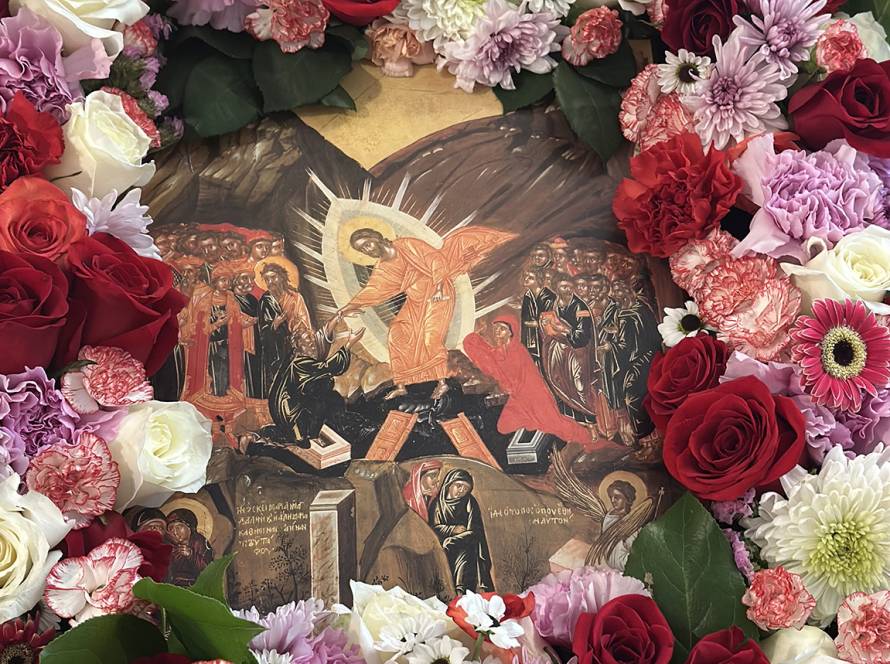
The Orthodox liturgical calendar is structured around the life of Jesus Christ and the story of salvation. That is the key to understanding why the Church year is arranged the way it is. The calendar is not simply a collection of religious holidays placed randomly throughout the year. It is the Gospel lived through time.
Every year, the Orthodox Church walks the faithful through the life of Christ step by step. The Church prepares for His coming, celebrates His birth, reveals Him to the world, follows His ministry, walks with Him toward the Cross, proclaims His Resurrection, celebrates His Ascension, and rejoices in the coming of the Holy Spirit at Pentecost. The structure itself teaches the faith.
The liturgical calendar exists because human beings forget. We forget God, forget repentance, forget death, forget prayer, and forget the Kingdom of Heaven. The Church sanctifies time by filling the year with worship, Scripture, fasting, feasts, saints, hymns, and prayer. Instead of allowing life to revolve around work schedules, entertainment, politics, or distractions, the Church teaches Christians to organize life around Jesus Christ.
Why the Church Year Is Structured Around Christ
The Orthodox Church does not view time as empty or secular. Time belongs to God. This is why the Church year follows the movement of salvation history and especially the earthly life of Christ. The order matters because the Church is teaching Christians how salvation unfolded.
The liturgical year begins in September, and one of the first major feasts is the Nativity of the Theotokos. This is intentional. Before the Church arrives at the birth of Christ, it first shows God preparing the world for the Incarnation through the Virgin Mary.
Nativity of the Theotokos: This feast celebrates the birth of the Virgin Mary to Joachim and Anna. The Church begins here because salvation did not appear suddenly. God prepared humanity patiently for the coming of Christ. Mary becomes the doorway through which the Son of God enters the world.
Exaltation of the Cross: Early in the Church year, the Cross is lifted before the faithful because the Cross stands at the center of Christ’s mission. Even near the beginning of the liturgical cycle, the Church points us toward Golgotha. Christ was born in order to die and rise again for the salvation of mankind.
Entrance of the Theotokos into the Temple: This feast continues preparing the faithful for the mystery of the Incarnation. Mary is offered to God and becomes the living temple who will bear Christ Himself. The Church places this feast before Nativity because the coming of Christ is connected directly to the obedience and faithfulness of the Virgin Mary.
As the calendar progresses, the Church moves toward the birth of Christ through the Nativity Fast. The faithful prepare through prayer, repentance, fasting, and almsgiving because the Church does not want Christians approaching holy things carelessly.
Nativity of Christ: The birth of Jesus Christ reveals the mystery of the Incarnation. God becomes man without ceasing to be God. The eternal Son enters human history, takes on flesh, and dwells among us. The Church celebrates this feast with joy because salvation is no longer distant. God Himself has come into the world.
Theophany: After Christ’s birth, the Church immediately moves to His public revelation at the Jordan River. The order matters. Christ is born quietly in Bethlehem, but at Theophany He is openly revealed as the Son of God. The Father speaks, the Son is baptized, and the Holy Spirit descends like a dove. This feast reveals the Holy Trinity to the world.
Presentation of Christ in the Temple: Christ is brought into the Temple according to the Law. Simeon recognizes Him as the promised Messiah and declares Him to be the light to enlighten the Gentiles. The Church places this feast here to show Christ fulfilling the hopes and prophecies of Israel.
Annunciation: The Annunciation celebrates the angel Gabriel announcing to the Virgin Mary that she will bear the Son of God. The feast is placed exactly nine months before Nativity because the Church is emphasizing the reality of the Incarnation. Christ truly became man from the moment of conception.
At the center of the liturgical year stands Pascha, the Resurrection of Jesus Christ. This is the feast of feasts and the heart of Christianity itself. Saint Paul says that if Christ is not risen, our faith is in vain. Everything in the Church year either prepares for Pascha or flows from it.
This is why the movable cycle of the Church year is built around Pascha. The pre-Lenten Sundays slowly prepare the faithful for repentance. Great Lent calls Christians to fasting, prayer, humility, confession, and self-denial. The Church gradually turns the faithful toward Jerusalem and the Cross.
Entrance into Jerusalem: Palm Sunday marks Christ entering Jerusalem willingly before His suffering and death. The crowd greets Him as King, but the Church knows that His throne will be the Cross. This feast begins Holy Week and the final earthly days of Christ’s ministry.
Holy Week places the believer directly inside the Passion of Christ. Through the services, hymns, readings, and processions, the Church walks with Christ through the Mystical Supper, betrayal, judgment, crucifixion, death, and burial.
Then comes Pascha itself. The Church explodes with light, joy, and triumph because Christ has conquered death. Orthodox Christians do not celebrate Pascha as merely remembering an old miracle. The Resurrection changes everything. Death itself has been overthrown.
Ascension: Forty days after Pascha, Christ ascends into heaven. The structure of the calendar continues following the actual movement of Christ’s earthly ministry. At the Ascension, Christ raises human nature itself into heavenly glory and sits at the right hand of the Father.
Pentecost: Fifty days after Pascha, the Holy Spirit descends upon the apostles. The Church celebrates Pentecost as the fulfillment of Christ’s promise and the public revelation of the Church’s mission to the world. Salvation is now proclaimed to every nation.
Transfiguration: The Transfiguration reveals Christ’s divine glory openly before Peter, James, and John. Moses and Elijah appear beside Him while the Father declares Christ to be His beloved Son. The Church places this feast during the Dormition Fast as a reminder that the goal of the Christian life is transformation and union with God by grace.
Dormition of the Theotokos: The Dormition celebrates the falling asleep of the Mother of God. The Church ends one of the major cycles of the liturgical year with this feast because it reveals the hope of the Resurrection. In Christ, death is no longer final.
The feasts of the Theotokos are woven throughout the calendar because they are directly connected to Christ. Orthodoxy honors Mary because of who her Son is. Every feast connected to her points ultimately back to the Incarnation and salvation.
The saints’ days are also intentionally spread throughout the calendar because the saints show the fruit of Christ’s saving work in real human lives. The saints are not distractions from Jesus Christ. They are examples of what humanity looks like when united to Him through repentance, holiness, and grace.
Saint Athanasius taught that the Son of God became man so that we might become god by grace. The liturgical calendar exists to lead believers into that transformation. The Church year teaches Christians how to repent, how to pray, how to fast, how to worship, and how to live.
This is also why the Church teaches through hymns, icons, vestments, incense, and Scripture readings. Orthodoxy teaches theology through worship. A person who lives the liturgical life year after year slowly begins to think with the mind of the Church.
The weekly rhythm matters too. Every Sunday celebrates the Resurrection. Wednesdays and Fridays are fasting days connected to betrayal and the Cross. Ordinary time itself becomes filled with spiritual meaning.
The liturgical calendar protects Christians from treating faith as merely private, emotional, or occasional. Even when someone feels spiritually weak, distracted, or tired, the Church continues carrying them through the life of Christ year after year.
Most Commonly Asked Questions
Does the liturgical calendar follow the actual life of Christ?
Yes, very intentionally. The Church year largely follows the unfolding of Christ’s life and saving work, though not always in a strict modern chronological sense. The structure exists to teach salvation history and spiritually form the faithful through worship.
Why is Pascha more important than Christmas in Orthodoxy?
Pascha celebrates Christ’s victory over death through His Resurrection. The entire purpose of the Incarnation leads to the Cross and Resurrection. This is why Pascha stands at the center of the Orthodox liturgical year.
Why are there so many feasts connected to the Theotokos?
The feasts of the Theotokos protect the truth about Jesus Christ. They constantly point back to the reality that the Son of God truly became man through her. Orthodox Christians honor Mary because she reveals the mystery of the Incarnation.
Why does the Church repeat the same cycle every year?
Human beings learn through repetition and participation. The Church repeats the cycle because salvation must move from the mind into the heart and daily life. Over time, the calendar shapes the believer spiritually.
How do I begin living according to the liturgical calendar?
Start with the basics. Attend Sunday Liturgy faithfully, learn the major feasts, follow the fasting guidance of your priest, and pay attention to the readings and hymns. Slowly the rhythm of the Church year will begin shaping your life and your understanding of Christ.
A Pastoral Closing
The liturgical calendar is ultimately about union with Christ. The Church walks us through His life year after year so that His life becomes our life. The goal is not simply learning facts about Jesus Christ, but being transformed by Him.
If you’re working through this and need guidance, reach out to Fr. Stephen at frsteve@savannahorthodox.com AND Anthony at anthony@anthonyally.com. CC us both.