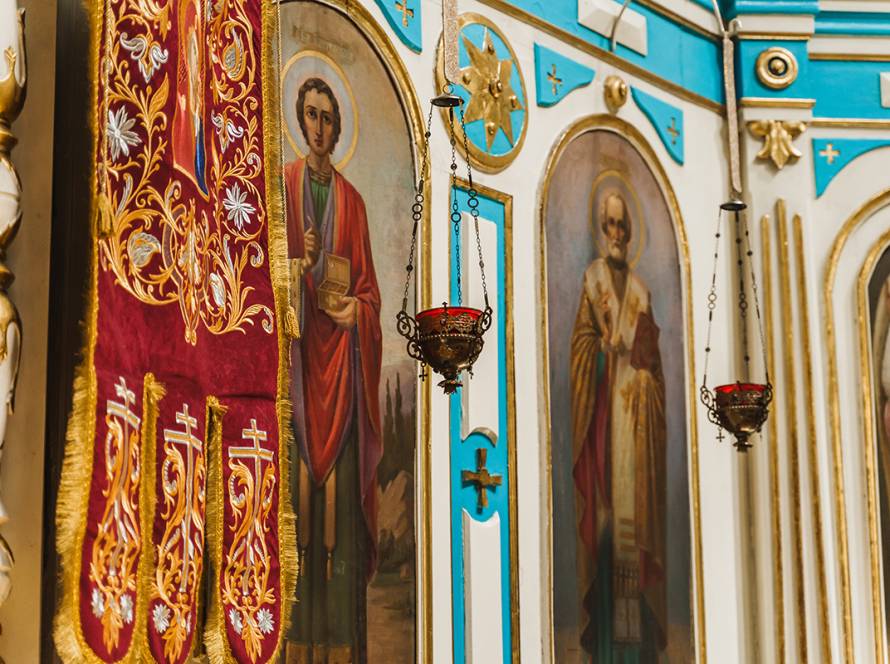
The word “Church” can mean a few things in English. Sometimes people use it for a building. Sometimes they use it for a local parish. Sometimes they use it for a religious organization. But in the New Testament, the word translated as “Church” is the Greek word ekklesia, which means an assembly, a gathered people, or a congregation called together.
That matters. The Church is not first a building. The Church is the people of God gathered into Christ. The English word “church” also has roots connected to the Greek word kyriakon, meaning “belonging to the Lord.” So even the word itself teaches us something important: the Church is the assembly that belongs to the Lord.
The Orthodox Church teaches that the Church is the Body of Christ, founded by the Lord, filled with the Holy Spirit, and given for the salvation of the world. She is not something people invented because they wanted a religious community. She is the life of Christ given to His people. In the Church, we are baptized into Christ, nourished by His Body and Blood, taught the truth, healed through repentance, and formed into real Christians.
At the same time, the Church is made up of real people who are still being healed. No one in the Church is perfect except Jesus Christ. Converts, cradle Orthodox, catechumens, visitors, chanters, parish leaders, clergy, and faithful of every background are all sinners in need of mercy. The Church is holy because Christ is holy, not because every person in her has already become holy.
What the Word Church Teaches Us
When we hear the word “Church,” we should not first think of a building with a roof, pews, icons, candles, and a bell tower. Those things may belong to the life of the Church, but they are not the Church by themselves. A church building is holy because it is set apart for worship, but the Church herself is the people of God gathered into the life of Christ.
The Greek word ekklesia helps us understand this. The Church is the gathered people of God. She is not a crowd of private individuals who happen to stand in the same room. She is a people called together by God, united in one faith, one worship, one sacramental life, and one Lord.
This is why Orthodox Christians do not treat faith as something each person invents alone. Christianity is not private spirituality with a few religious ideas added on. Christ gathers His people into a Body. He does not merely save isolated individuals. He joins us to Himself and to one another.
The word connected to kyriakon, meaning “belonging to the Lord,” also points us in the right direction. The Church belongs to Christ. She is not ours to redesign according to taste. She is not a religious product. She is not a spiritual club. She is the Lord’s own people, gathered into His life.
That means we enter the Church with humility. We do not come to make the Church in our own image. We come to be remade by Christ. We receive the faith, the worship, the sacraments, the fasts, the prayers, and the way of life handed down in the Church.
The Church Is the Body of Christ
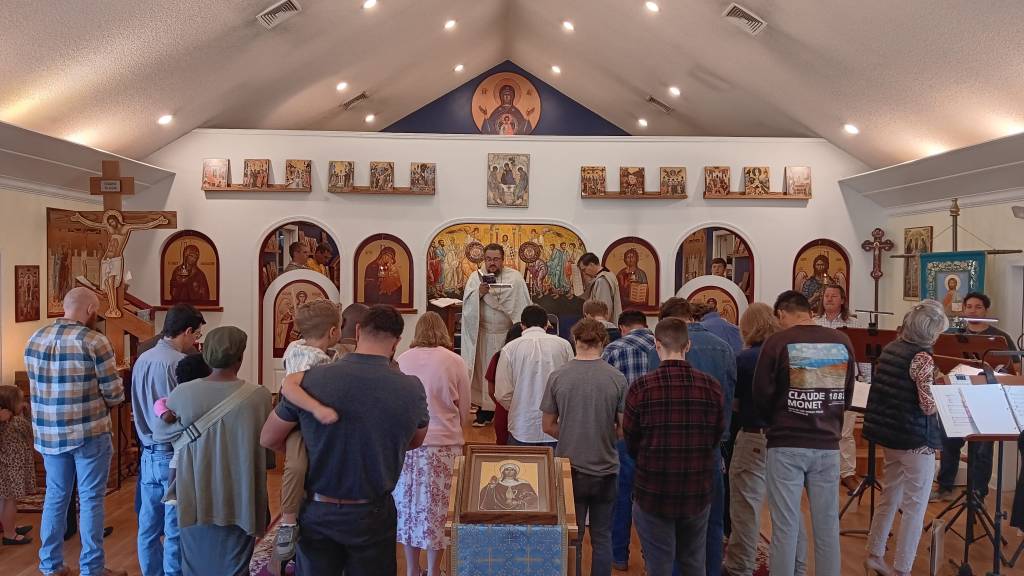
Holy Scripture calls the Church the Body of Christ. St. Paul writes, “Now you are the body of Christ, and members individually” (1 Corinthians 12:27). This is one of the most important things to understand about Orthodoxy. The Church is not a man-made club for people who share religious interests. The Church is a living communion with Christ as her Head.
When we enter the Church, we are not joining a spiritual hobby group. We are being joined to Christ and to one another. We become members of His Body through Baptism, Chrismation, the Eucharist, repentance, worship, prayer, fasting, and a life of faithfulness.
This is why Orthodoxy does not treat Christianity as something each person figures out privately. Christ did not leave behind a book and tell everyone to build their own version of Christianity. He gathered disciples, formed the Apostles, gave them the Holy Spirit, and established His Church. The Christian life is lived inside that Body.
The Church is also visible. She has worship, sacraments, teaching, fasting, icons, discipline, councils, community, and real human relationships. This visible life matters because God saves us as whole persons, body and soul. We do not follow an invisible idea. We enter a concrete life.
A common misunderstanding is that the Church should be full of perfect people. That sounds nice until we remember that none of us would qualify. The Church is more like a hospital than a trophy case. Christ is the Physician, and we are the sick who come to be healed.
The Church Is Holy, Even When Her People Are Weak
One of the hardest things for people to understand is how the Church can be holy when so many of her members are still sinful. The answer is simple, but important: the holiness of the Church comes from Christ, not from the personal perfection of her members.
The Church is holy because Christ is holy. She is holy because the Holy Spirit dwells in her. She is holy because the sacraments are holy, the faith is holy, the worship is holy, and the life she gives is holy. But the people inside the Church are still being healed. Some are growing quickly. Some are barely beginning. Some are struggling badly. Some are proud. Some are repentant. Some are wounded. Some are spiritually immature.
This should not shock us. The Gospels show us the Apostles themselves struggling with fear, pride, confusion, weakness, and even betrayal. Peter denied Christ. Thomas doubted. James and John argued about greatness. Judas betrayed the Lord. Yet Christ did not abandon His Church. He healed, corrected, restored, and sent His disciples out with the Holy Spirit.
That is still how the Church works. We are not saved because we found a perfect group of people. We are saved because Christ has given us His Body, and in that Body we are slowly healed. Sometimes the Church comforts us. Sometimes she corrects us. Sometimes parish life exposes our impatience, pride, selfishness, or lack of love. That does not mean the Church has failed. Often, that is exactly where healing begins.
A catechumen should not expect a perfect parish. You will meet people at different stages of growth. Some will inspire you. Some will disappoint you. Some will be warm and welcoming. Some may be awkward, distracted, or difficult. The point is not that everyone has already arrived. The point is that Christ is present and at work.
The Church Is Where We Receive the Life of Christ
The Church is necessary because salvation is not merely having religious thoughts about Jesus. Salvation means union with Christ. It means being joined to Him, healed by Him, forgiven by Him, fed by Him, and changed by Him. The Church is His Body, and it is in His Body that we receive the life He gives.
In the Church, we receive Baptism, where we are united to Christ’s death and Resurrection. We receive Chrismation, the gift of the Holy Spirit. We receive the Eucharist, the true Body and Blood of Christ. We receive Confession, where sins are brought into the light and healing begins. We receive teaching, correction, prayer, fasting, blessing, and the example of the saints.
This is why the Church is not optional. Many people today say, “I believe in Jesus, but I do not need the Church.” But Christ and His Church cannot be separated. To love Christ is to be joined to His Body. To follow Christ is to enter the life He established.
That does not mean we claim to know the final judgment of every person outside visible Orthodoxy. God is merciful, and His judgment belongs to Him. We should never speak as if we know what only God knows. But we also should not make light of what Christ has given. The Church is not a religious extra. She is the ark of salvation, the Body of Christ, the household of God, and the place where the fullness of the faith and sacramental life are given.
St. Cyprian of Carthage famously said, “He cannot have God for his Father who does not have the Church for his mother.” That can sound strong to modern ears, but the point is deeply pastoral. Christianity is not a private relationship with God separated from the Body. God gives us a Mother in the Church, and through her we are born, fed, corrected, healed, and raised in the life of Christ.
The Church Is a Family, Not a Religious Product

The Church is also a family. This is another thing modern people often misunderstand. Many people approach church like consumers. They look for the place that has the best music, the most convenient schedule, the friendliest people, the programs they like, or the style that fits their personality. But the Church is not a religious product. She is the household of God.
Because the Church is a family, she is also a real community. We are not meant to stand near each other on Sundays and remain strangers. We are called to know one another, pray for one another, serve one another, forgive one another, and carry one another’s burdens. Parish life is where Christian love stops being an idea and becomes something we actually have to live.
In a family, we do not only stay when everything suits us. We learn patience. We forgive. We bear with one another. We show up when we are tired. We serve when we are not noticed. We repent when we are wrong. We learn to love people we did not choose. That is not always easy, but it is part of how God heals us.
This is why parish life is so important. You cannot become a Christian in theory. You become a Christian by learning to pray, fast, repent, forgive, worship, confess, receive the Eucharist, love your neighbor, and remain faithful over time. The parish is where much of this becomes real, because the people around us are not imaginary. They are the actual brothers and sisters God has placed in our life.
It is easy to imagine ourselves as patient until someone annoys us. It is easy to imagine ourselves as humble until we are corrected. It is easy to imagine ourselves as loving until we have to forgive someone. The Church gives us a real life where these virtues are tested and formed. A parish community gives us the chance to stop loving mankind in the abstract and start loving the person standing next to us.
This also means we do not come to church only when we feel spiritually strong, peaceful, or inspired. In fact, when you do not feel like going to church, that is often when you need to go the most. When you are tired, discouraged, distracted, irritated, ashamed, spiritually dry, or tempted to stay away, the Church is exactly where you need to be. The sick person does not wait until he feels healthy to go to the hospital.
There will be Sundays when you feel nothing. There will be services where your mind wanders, your body is tired, your children are difficult, or your heart feels cold. Go anyway. Stand there anyway. Cross yourself anyway. Say the prayers anyway. The Church is not only forming you when you feel something beautiful. She is also forming you when you simply remain faithful.
This is part of learning obedience. We do not let our mood become our spiritual father. We do not let tiredness, irritation, or discouragement decide whether we worship God. Of course, there are real sicknesses, emergencies, and serious obligations that may keep someone away. But ordinary resistance, dryness, laziness, or frustration should not be treated as a reason to stay home. Often, that resistance is the very thing that needs to be brought into the light of the Church.
Community also protects us from isolation. When we drift away from the Church, we usually become easier to deceive. We begin listening only to our own thoughts. We start making excuses that sound reasonable. We tell ourselves we will come back when things calm down, when we feel better, when life is less busy, or when our heart is more ready. But the heart is healed by coming, not by waiting at a distance.
This is not always comfortable, but it is saving. The Church is not here to flatter us. She is here to heal us. Healing often means we have to face what is sick in us. We learn that we are not the center. We learn that our opinions are not the faith. We learn that worship is not entertainment. We learn that salvation is not self-expression. We learn to become members of a Body and faithful members of a family.
So stay close to the parish. Come when you are joyful, and come when you are tired. Come when you feel strong, and come when you feel weak. Come when you understand everything, and come when you are confused. The Church is not a reward for people who already have everything together. She is the family and hospital where Christ gathers us, heals us, feeds us, and teaches us how to love.
The Church Is the Pillar and Ground of the Truth
St. Paul calls the Church “the pillar and ground of the truth” (1 Timothy 3:15). This means the truth is not preserved by isolated individuals making up Christianity for themselves. The truth is preserved in the life of the Church through Scripture, Holy Tradition, worship, councils, saints, sacraments, and faithful teaching.
Holy Scripture belongs to the Church. The Bible was written within the life of God’s people, preserved by the Church, read in the Church, interpreted in the Church, and lived in the Church. The Church does not stand over Scripture as if she can change it. Rather, the Church receives Scripture as the Word of God and guards its true meaning.
This matters because many people today treat Christianity as if it begins with their personal interpretation. They open the Bible, decide what it means, and then look for a church that agrees with them. Orthodoxy works differently. We do not stand over the faith. We receive the faith. We are taught by the Church, formed by her worship, corrected by her wisdom, and guided by the saints.
Holy Tradition is not a collection of random customs. It is the life of the Holy Spirit in the Church. It includes the right worship of God, the teaching of the faith, the reading of Scripture, the sacraments, the councils, the writings of the Fathers, the witness of the saints, and the prayerful life handed down from the beginning.
This is why the Orthodox Church does not change her faith to match each generation. Cultures change. Politics change. Social trends change. Personal feelings change. But the Church receives the faith from Christ and hands it on. She is not here to be fashionable. She is here to be faithful.
The Church Forms Us Into Christians
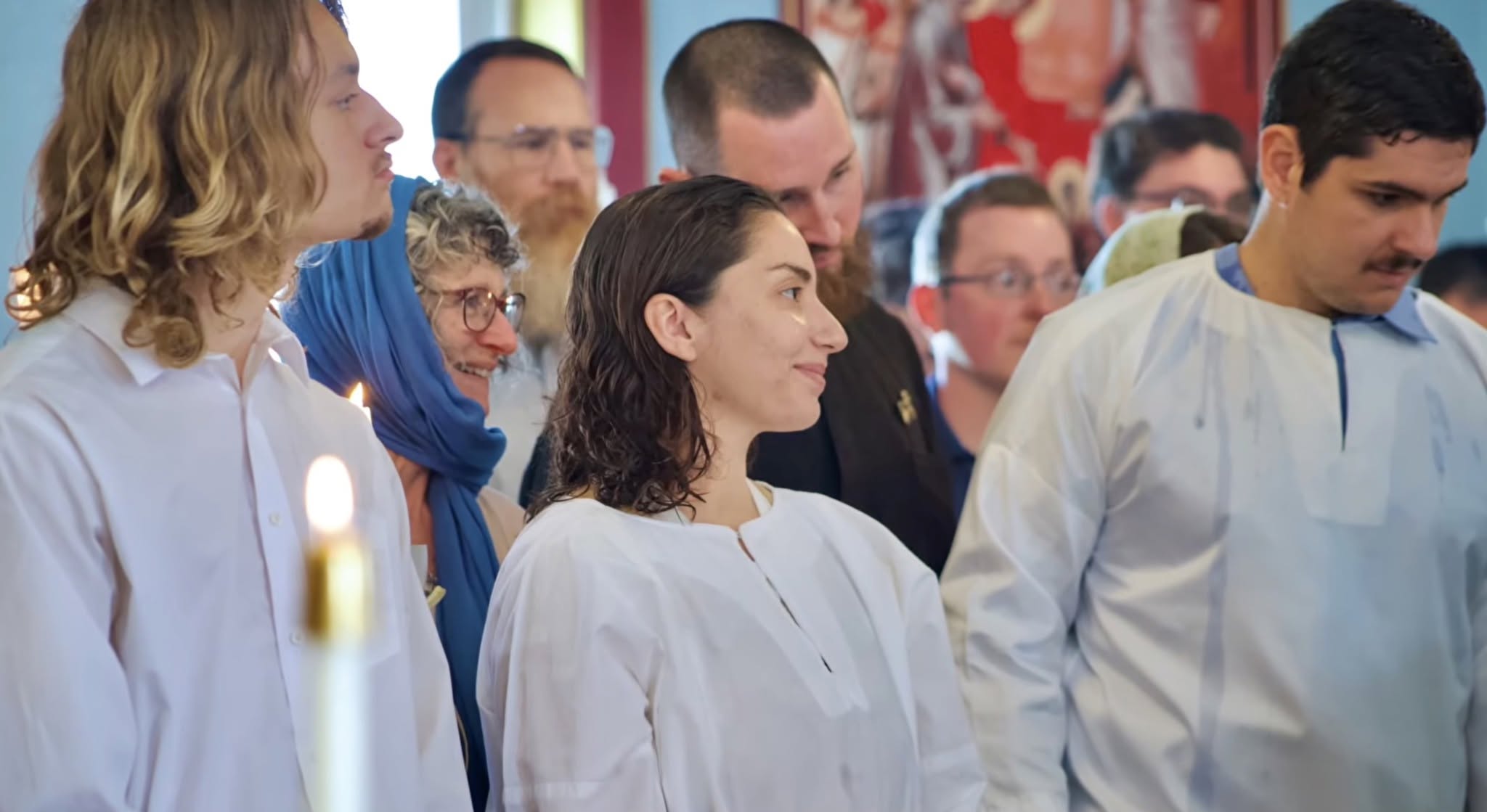
The Church does not merely give us information. She forms us. This is very important for catechumens to understand. Learning the faith is not only learning definitions, doctrines, history, and rules. Those things matter, but they are not enough. We learn the faith by living the life of the Church.
We learn to pray by praying. We learn to fast by fasting. We learn to repent by repenting. We learn forgiveness by forgiving real people. We learn humility by receiving correction. We learn worship by standing in the services. We learn love by serving. We learn patience by remaining faithful when things are difficult.
The Divine Liturgy forms us most deeply. In the Liturgy, we are drawn out of ourselves and into the worship of the Kingdom. We hear the Scriptures. We confess the faith. We pray for the world. We offer ourselves to God. We receive the Body and Blood of Christ. Week after week, the Church teaches us how to stand before God.
Fasting also forms us. It teaches us that we are not slaves to every desire. Prayer forms us by turning our attention back to God. Confession forms us by teaching us to stop hiding. Almsgiving forms us by opening our hearts to the poor. The Church calendar forms us by placing our lives inside the life of Christ, His Mother, and the saints.
This is why someone cannot understand Orthodoxy only from the outside. You can read about Orthodoxy, listen to podcasts, watch videos, and study theology, but the Church must be lived. You have to come and see. You have to stand in the services. You have to keep showing up. Over time, the life of the Church begins to reshape the heart.
The Church Is Both Divine and Human
The Church is divine and human because she is the Body of Christ. Her life comes from God, but she is made up of real human beings. This is why the Church can be holy and still have problems among her people. The holiness is real, and the human weakness is real.
This helps us avoid two mistakes. The first mistake is pretending that problems in the Church do not exist. That is not honest. People can sin in church. People can be unkind, proud, careless, or immature. Sometimes leaders fail. Sometimes parish life is messy.
The second mistake is thinking that human weakness disproves the Church. That is also wrong. If the Church were only for the already perfect, there would be no Church on earth. Christ came to save sinners. The Church is where sinners come to be healed.
The right response is not cynicism and not denial. The right response is faithfulness. We remain in the Church, repent of our own sins, seek healing, forgive as we are able, ask for guidance, and trust Christ to work in His Body. We do not leave the hospital because there are sick people inside.
This is especially important in the age of the internet. It is easy to find scandals, arguments, bad examples, and disappointing stories. Some of those things are real and should be taken seriously. But they are not the whole truth of the Church. The deeper truth is found in the saints, the sacraments, the quiet repentance of the faithful, the prayers of the Church, and the mercy of Christ at work across generations.
Why the Church Matters for Salvation
The Church matters for salvation because salvation is not isolation. We are not saved by building a private spiritual life around our own preferences. We are saved by being joined to Christ and learning to live as members of His Body.
This means the Church is not just where we learn about salvation. The Church is where salvation is lived. It is where we are baptized, fed, corrected, forgiven, strengthened, and taught to love. It is where we learn to carry the cross in real life.
The Church also keeps us from reducing Christianity to feelings. Some days we feel close to God. Some days we do not. Some days prayer feels alive. Some days it feels dry. Some days worship feels beautiful. Some days we are distracted and tired. The Church carries us through all of that. She teaches us faithfulness deeper than emotion.
The Church also keeps us from reducing Christianity to ideas. Orthodox Christianity is not merely agreeing with correct doctrine, though doctrine matters deeply. It is a whole way of life. It is worship, repentance, sacraments, fasting, mercy, prayer, obedience, and love. The Church teaches us to become Christian in body, soul, mind, and heart.
This is why a catechumen should take parish life seriously. Attend the services. Listen. Ask questions. Read Scripture. Begin to pray at home. Learn the fasts. Build relationships. Serve where you are blessed to serve. Do not rush. Let the Church form you.
A Pastoral Word
The Church is perfect because she is the Body of Christ, filled with the Holy Spirit, guarded by the truth, and given by God for our salvation. The weakness is not in the Church herself. The weakness is in us, the sinners who are being healed within her.
So do not come expecting every person in the Church to already be holy. Come because the Church is holy. Come because Christ is present in His Church. He teaches, heals, feeds, corrects, forgives, and saves. Stay close to the Church. Worship faithfully. Repent honestly. Forgive slowly if you must, but keep moving toward forgiveness. Be patient with others, and be patient with yourself.
Over time, the perfect life of the Church will expose what is still sick in us and begin to heal it. Not instantly. Not magically. Not without struggle. But truly, by the grace of God.