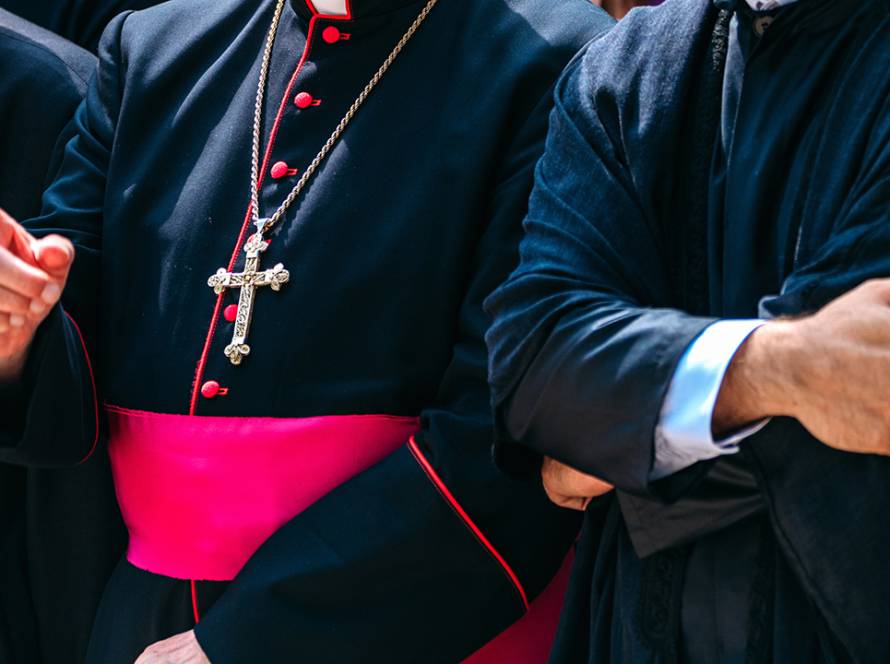
The sacraments, or Holy Mysteries, are not religious symbols that Christians invented to help us remember God. They are the real ways Christ gives His grace to His Church. In the Holy Mysteries, God uses visible things like water, oil, bread, wine, the laying on of hands, and spoken prayers to give invisible grace for our salvation.
The Orthodox Church teaches that the Christian life is not only about ideas, feelings, or private belief. God saves the whole person: body, soul, mind, heart, and will. Because the Son of God truly became man, the material world can be filled with His grace. The Holy Mysteries are where we meet Christ in the life of His Church, not as an idea far away, but as the living Lord who heals, forgives, feeds, strengthens, and sanctifies His people.
What Is a Sacrament?
A sacrament is a holy act of the Church in which God gives His grace. In the Orthodox Church, we often call them Holy Mysteries because God’s grace is real, but it is not something we can fully explain, measure, or control. A mystery is not a puzzle to solve. It is something we enter with faith, repentance, reverence, and thanksgiving.
Holy Scripture shows that God works through visible things. He forms man from the dust of the earth. He commands Israel to worship with sacrifices, oil, incense, priesthood, holy places, and sacred actions. In the New Testament, Christ heals with touch, mud, water, words, and His own Body and Blood. God is not against matter. He made it, and in Christ He uses it for our salvation.
St. John Chrysostom teaches that the Christian does not judge the mysteries by what the eyes alone can see, but by faith in what God has promised. In the Eucharist, for example, the eyes see bread and wine, but faith receives the Body and Blood of Christ. This is how the Church approaches all the Holy Mysteries: not as empty religious customs, but as real encounters with God’s grace.
Some people ask, “How many sacraments are there?” In the West, Christians often speak of seven sacraments. Orthodox Christians can also speak this way, and the seven commonly listed are Baptism, Chrismation, the Eucharist, Confession, Marriage, Holy Unction, and Ordination. But Orthodoxy does not treat grace as if it only fits into a neat numbered list. The whole life of the Church is filled with blessing, prayer, sanctification, and grace.
A common misunderstanding is that sacraments work like magic. They do not. Magic tries to control spiritual power. The Holy Mysteries are gifts of God received in faith, humility, and repentance. We do not control grace. We receive it and then must cooperate with it. A person can receive great grace and still resist it through pride, carelessness, or a refusal to repent.
Baptism

Baptism is the beginning of the Christian life. Through Baptism, we are united to the death and Resurrection of Christ. St. Paul says, “As many of us as were baptized into Christ Jesus were baptized into His death” and that we are raised to “walk in newness of life” (Romans 6:3–4). Baptism is not merely a public statement that we already believe. It is a real new birth in Christ.
In Baptism, the person is washed, buried, and raised with Christ. Sin is forgiven. The old life is put to death. A new life begins. This is why Baptism is not treated casually in the Orthodox Church. It is entrance into Christ and His Church.
For infants and children, Baptism shows that salvation is not earned by intellectual maturity. Children are brought into the life of the Church by faith, love, and the promise of Christian formation. For adults, Baptism follows catechism, repentance, and preparation. In both cases, Baptism is not the end of the journey. It is the beginning.
Chrismation

Chrismation normally follows Baptism immediately. In Chrismation, the newly baptized person is anointed with holy chrism and sealed with the gift of the Holy Spirit. The priest says, “The seal of the gift of the Holy Spirit.” This is personal Pentecost. The Christian is not only washed, but strengthened and sealed by the Spirit for life in Christ.
In the early Church, Baptism, Chrismation, and the Eucharist belonged together. In Orthodoxy, they still do. A newly baptized and chrismated person is brought to Holy Communion. This shows that the goal of Christian initiation is not membership in an organization, but communion with Christ.
Chrismation is also how many people are received into the Orthodox Church when they have already been baptized in the name of the Holy Trinity. This is done according to the guidance of the bishop. The point is not to erase everything before, but to bring the person fully into the sacramental life and faith of the Orthodox Church.
The Eucharist

The Eucharist is the center of the Church’s sacramental life. At the Divine Liturgy, bread and wine are offered to God, the Holy Spirit is invoked, and they become the true Body and Blood of Christ. Orthodox Christians do not explain this as a bare symbol or a mere mental remembrance. Christ Himself said, “This is My Body” and “This is My Blood” (Matthew 26:26–28).
In John 6, the Lord says, “Unless you eat the flesh of the Son of Man and drink His blood, you have no life in you.” The Church has always received these words with seriousness. Holy Communion is not a reward for perfect people. It is medicine for the sick, food for the journey, and union with Christ. But medicine must be received carefully. Food can bless us when received rightly and harm us when received carelessly.
This is why the Church teaches us to prepare for Communion. Preparation includes prayer, repentance, fasting according to the guidance of the Church, forgiveness of others, confession as needed, and attention to how we are living. We do not prepare because we can make ourselves worthy by effort. We prepare because the Gift is holy.
St. Ignatius of Antioch, writing near the beginning of the second century, called the Eucharist “the medicine of immortality.” That is how the Orthodox Church still sees Holy Communion. We come to receive Christ, to be healed by Him, and to be joined more deeply to His Body, the Church.
For more on what Communion is, click here.
Confession

Confession is the sacrament of repentance and reconciliation. In Confession, we come before Christ, in the presence of the priest, and confess our sins honestly. God already knows our sins. We are not informing Him of something hidden. The point is that we stop hiding, stop excusing, stop blaming, and stop justifying ourselves.
One of the most dangerous things sin does is teach us how to defend it. We say, “It was not that bad.” “They made me do it.” “At least I am not like that person.” “I had a good reason.” Confession cuts through all of that. We stand before Christ and say the truth plainly: “I have sinned.”
This is not meant to crush us. It is meant to heal us. A person cannot be healed while pretending he is not sick. Confession is where we bring the wound into the light. The priest is not there as a judge waiting to shame us. He is a witness of our repentance and a spiritual physician helping us return to Christ.
After the Resurrection, Christ gave His apostles authority to forgive sins, saying, “If you forgive the sins of any, they are forgiven them” (John 20:23). The Church continues this ministry through the priesthood. The forgiveness is Christ’s. The priest does not forgive by personal power. He pronounces the mercy of God through the ministry given to the Church.
Confession also holds us accountable. Many people want forgiveness without truth. They want comfort without repentance. But real mercy does not leave us in slavery. Confession helps us name our sins, take responsibility, receive counsel, and begin again.
Marriage
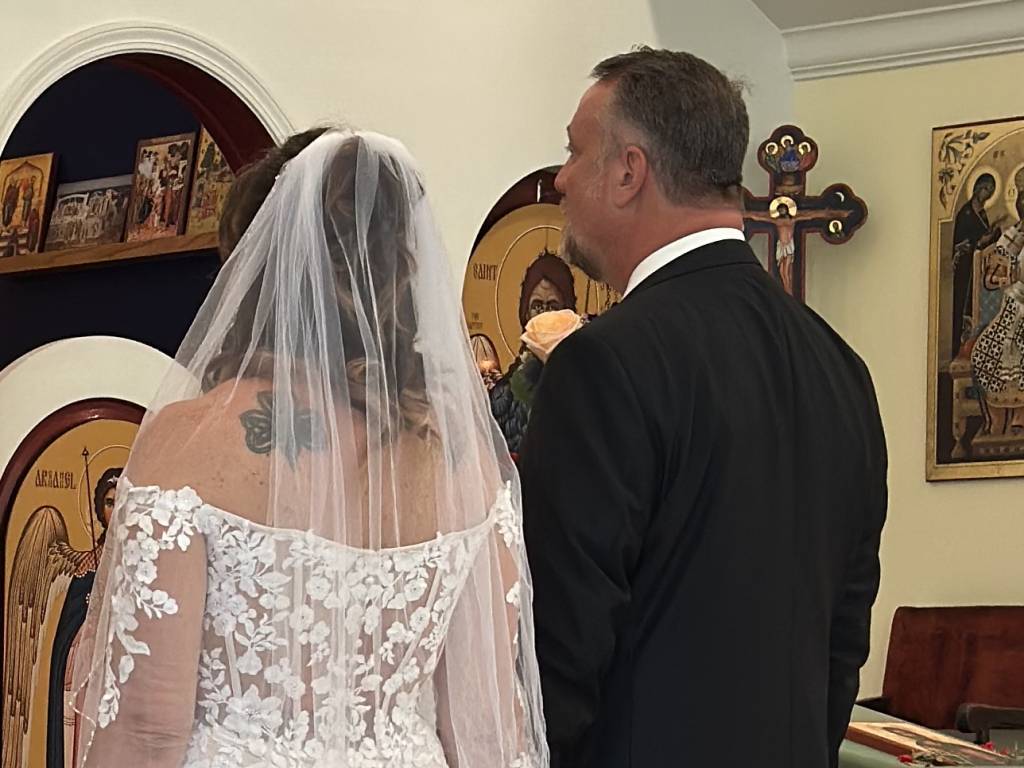
Marriage is the Holy Mystery in which a man and woman are joined together in Christ. In Orthodox marriage, the couple does not simply make a contract or celebrate romantic affection. They are crowned as husband and wife, called to live a life of sacrificial love, faithfulness, patience, forgiveness, and holiness.
St. Paul teaches that marriage reveals the mystery of Christ and the Church (Ephesians 5:32). This means Orthodox marriage is not just about personal happiness. It is a path of salvation. Husband and wife learn to die to selfishness and live for one another in Christ. Their home is called to become a little church.
The crowning in the Orthodox wedding service is important. Crowns can mean honor and joy, but they also point to martyrdom. Marriage asks two people to lay down their self-will. This is not always easy, but it is holy. A Christian marriage grows through prayer, forgiveness, chastity, hospitality, and shared life in the Church.
Holy Unction

Holy Unction is the sacrament of healing. In this Mystery, the sick are anointed with oil and prayed over for healing of soul and body. The Apostle James writes, “Is anyone among you sick? Let him call for the elders of the church, and let them pray over him, anointing him with oil in the name of the Lord” (James 5:14).
Holy Unction is not magic, and it is not only for those near death. It is a sacrament of healing, forgiveness, strengthening, and mercy. Sometimes God grants physical healing. Sometimes He gives endurance, repentance, peace, or preparation for suffering and death. In every case, the Church brings the sick person to Christ the Physician.
In many Orthodox parishes, Holy Unction is served during Holy Week, often on Holy Wednesday. This is a beautiful practice, but it should not make us think Unction is only a yearly custom. When someone is seriously ill, facing surgery, or in need of sacramental prayer for sickness, he should speak with the priest.
Ordination

Ordination is the Holy Mystery through which bishops, priests, and deacons are set apart for service in the Church. The Church does not treat ordination as a career choice or religious promotion. It is a fearful calling. Through the laying on of hands by the bishop, the grace of the Holy Spirit is given for ministry.
The bishop is the chief shepherd and guardian of the apostolic faith in the local Church. He ordains, teaches, governs, and preserves the unity of the Church. The priest serves under the bishop, offering the Divine Liturgy, preaching, baptizing, hearing confessions, anointing the sick, blessing marriages, and caring for the flock. The deacon serves the bishop and priest, leads litanies, assists at the altar, proclaims the Gospel, and embodies the Church’s ministry of service.
Ordination does not make a man personally superior. It gives him a responsibility for which he will answer to God. The clergy are not above repentance. They are called to deeper humility, obedience, prayer, and sacrifice. The people should honor the priesthood, but they should never confuse the holiness of the office with the personal perfection of the man.
Together, the Holy Mysteries show that Christ saves us in the Church. Baptism brings us into Christ. Chrismation seals us with the Holy Spirit. The Eucharist feeds us with Christ Himself. Confession restores us when we fall. Marriage sanctifies family life. Holy Unction heals the sick. Ordination serves and guards the sacramental life of the Church.
Most Commonly Asked Questions
Are sacraments just symbols?
No. Orthodox Christians believe the Holy Mysteries are real encounters with the grace of God. They have symbolic meaning, but they are not empty signs. In Baptism, God truly gives new life, and in the Eucharist, we truly receive the Body and Blood of Christ.
Why do I need to confess to a priest if God already knows my sins?
God does know your sins. Confession is not about giving God information. It is about stopping the habit of hiding, excusing, and justifying yourself. You speak the truth before Christ, with the priest as witness, so that you can receive forgiveness, accountability, and healing.
Can anyone receive Holy Communion in the Orthodox Church?
No. Holy Communion is the sacrament of unity in the Orthodox faith and life. Those who receive must be baptized and chrismated Orthodox Christians who are preparing through repentance, prayer, and the guidance of the Church. This is not meant to insult visitors, but to protect the holiness of the Mystery and the integrity of communion.
Is Marriage required for every Orthodox Christian?
No. Marriage is holy, but it is not required for everyone. Some are called to marriage, some to monastic life, and some to serve Christ faithfully in chastity outside of marriage. The question is not which path is easier, but which path God is calling a person to live faithfully.
What should I do next?
Begin by attending the Divine Liturgy regularly and learning how the Holy Mysteries fit into the life of the Church. Speak with your priest about Baptism, Chrismation, Confession, and preparation for Holy Communion. Do not try to figure it all out alone. The sacraments are lived inside the Church, with guidance, patience, repentance, and faith.
A Pastoral Closing
The Holy Mysteries show us that God does not save us from a distance. Christ meets us in the waters of Baptism, seals us with the Holy Spirit, feeds us from the chalice, forgives us in Confession, blesses marriage, heals the sick, and gives shepherds to His Church. The right response is not to analyze from the outside forever, but to enter the life of the Church with humility and trust.
If you’re working through this and need guidance, reach out to Fr. Stephen at frsteve@savannahorthodox.com AND Anthony at anthony@anthonyally.com. CC us both.