Back in March of this year, Disney Cruise Line released a commercial called Midnight Magic. Ironically, it premiered on March 15, the anniversary of my ordination to the diaconate. The commercial follows a father and son who share a simple tradition of walking around the ship late at night.
We watch the son grow from a little boy into a distant teenager and eventually become a father himself. At the end, he brings his own child along for the walk, showing how one small vacation memory became a family tradition passed down through generations. Of course, the commercial’s timeline does not quite work, since the boy’s childhood scenes take place aboard the Disney Treasure, which did not begin sailing until 2024, but emotionally, it works.
Watching that commercial reminded me of the first trip my family took to Walt Disney World. I had visited once before while I was in high school, but my wife, Matushka Lindsey, had never been. Our daughter Zoe was two years old at the time, and we made nearly every mistake a family can make on its first Disney trip.
Disney, Family Memories, And The Christian Life
We scheduled five park days in a row without a single rest or resort day. We stayed in one of the rooms farthest from transportation at Pop Century. We booked the Deluxe Dining Plan, which still existed in 2019, and made dining reservations for practically every meal.
We spent most of the trip eating or feeling too full to eat again. We arrived around 3:00 am before our first park day, woke up at 6:00 am to get to Magic Kingdom, and then tried to go from rope drop until closing. We did not pack properly, never took breaks, our feet were killing us, and generally exhausted ourselves way more than any person should.
As we made our way toward the Mexico Pavilion during our day at EPCOT, we happened to meet Daisy Duck near Showcase Plaza. After the meet and greet, we were pushing Zoe’s stroller toward Akershus for our lunch reservation because, apparently, we had not eaten enough already. As we walked, we kept hearing our two-year-old muttering something over and over: “I so happy. I so happy.”
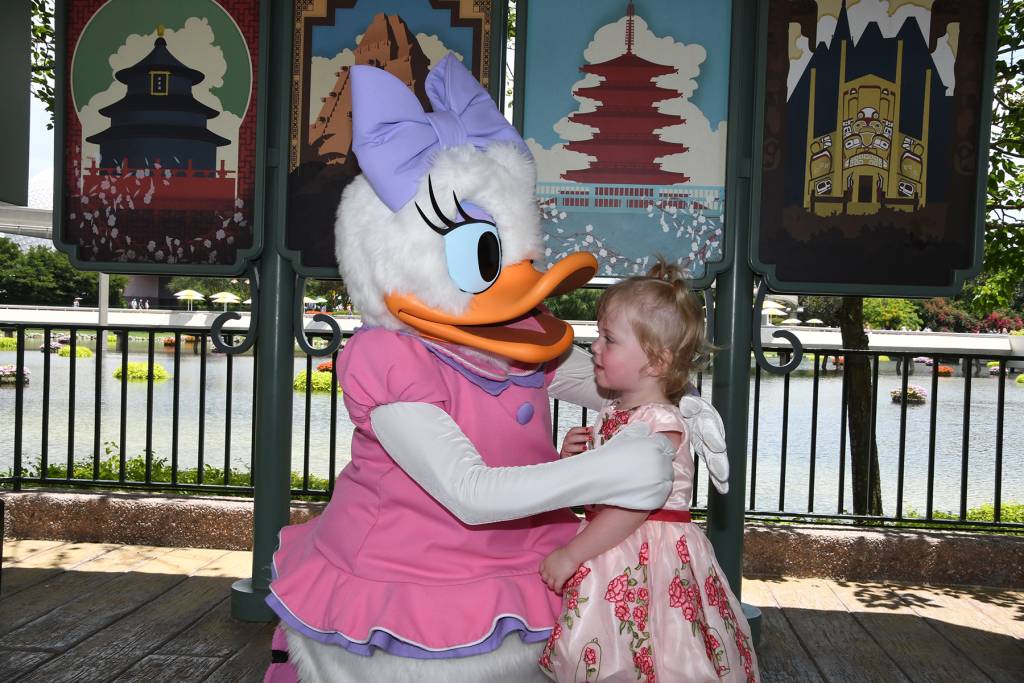
A two-year-old may not understand everything around her, but she certainly knows when she is happy. That was the moment we knew we would return, although we assumed it would be another five or six years, when Zoe was older. Instead, after a family cruise was postponed again and again during COVID, we eventually added another Disney trip before the rescheduled cruise in 2021.
Receiving Joy Without Worshiping It
That second trip taught us something important. This time, we did most things right. We built rest days into our schedule, stayed at Caribbean Beach Resort, and slowed down enough to enjoy ourselves. Zoe even learned how to swim there.
We loved the resort, especially its access to the Skyliner. While riding the Skyliner on our way to, ironically enough, EPCOT, we met some guests staying next door at Disney’s Riviera Resort. Our conversation with them introduced us to the Disney Vacation Club, and we began looking into DVC for ourselves.
That is our family’s Disney story. It began with a little girl dressed as a princess saying, “I so happy,” and grew into years of shared vacations, family traditions, and treasured memories. As Orthodox Christians, we know the true value of these experiences is not found in Disney itself, but in receiving time with those we love as a gift from God.
That is also why this topic belongs in an Almost Christian series. Almost Christian is a series examining the spiritual themes found in popular media through the lens of Orthodox Christianity, showing how these works can reflect fragments of truth while falling short of the fullness of the faith. A Disney commercial about midnight walks on a cruise ship is not the Gospel, but it can still remind us of something true about time, love, memory, and family.
Why Does this Story Matter?
Childhood is brief. Parents know this, but we often forget it while living through the busy years. The days can feel long, but the years are painfully short, and no parent gets to rewind them.
Orthodox Christians believe children should be formed in truth, repentance, prayer, worship, and love. We should not raise children as if life is only entertainment. At the same time, we should not place the entire weight of the fallen world upon them before they have been allowed to experience wonder, play, safety, and family joy.
There is a kind of seriousness that is holy, and there is a kind of seriousness that is simply fear dressed in religious clothing. Children need the Church, the prayers, the saints, the sacraments, and the discipline of Christian life. They also need parents who can laugh with them, walk with them, eat with them, and delight in them.
Christ attended weddings and meals. He blessed ordinary human fellowship by His presence. The Christian life is not a hatred of created joy, but the healing of joy so that it becomes thanksgiving rather than idolatry.
Are Family Memories Spiritually Important?
Creating memories can be an act of love. The value of a trip is not limited to what was purchased, what hotel was booked, or how many attractions were experienced. Its lasting value may be the time a family was fully present together.
This is why certain places hold memories so strongly. Returning to Disney may reconnect someone with a deceased spouse, child, parent, grandparent, or earlier season of family life. The place itself is not holy, but the love remembered there may be deeply meaningful.
I heard this again and again when I asked other families about their Disney stories. Paula, who is Orthodox, shared that her family first bought into DVC thinking mostly about their own vacations, but over time they realized the greater blessing was being able to share it with others. Now they use their membership to bring relatives and friends along, turning their trips into a quiet expression of hospitality, gratitude, and love.
In many ways, Paula’s family is continuing the kindness her mother showed for years through family beach vacations. That matters. A vacation can become more than a vacation when it teaches children that family is worth time, effort, planning, and sacrifice.
Cathy, a nondenominational Protestant, remembered how her grandmother saved her waitressing tips so she could take her to Disney when she was a child. Her grandmother has since passed away, but the love behind those trips has never really left her. Every time Cathy returns, those memories come back with gratitude.
Cathy now hopes to give her own children the same kind of gift. Not merely a vacation. Not merely photographs. A lasting memory of being loved, sacrificed for, and brought together as a family.
Andrew, a classmate of mine from seminary, has a similar story. He grew up going to Disney with his family, and those trips became part of the way his mother showed love. She planned, saved, made time, and gave her children memories they could carry with them.
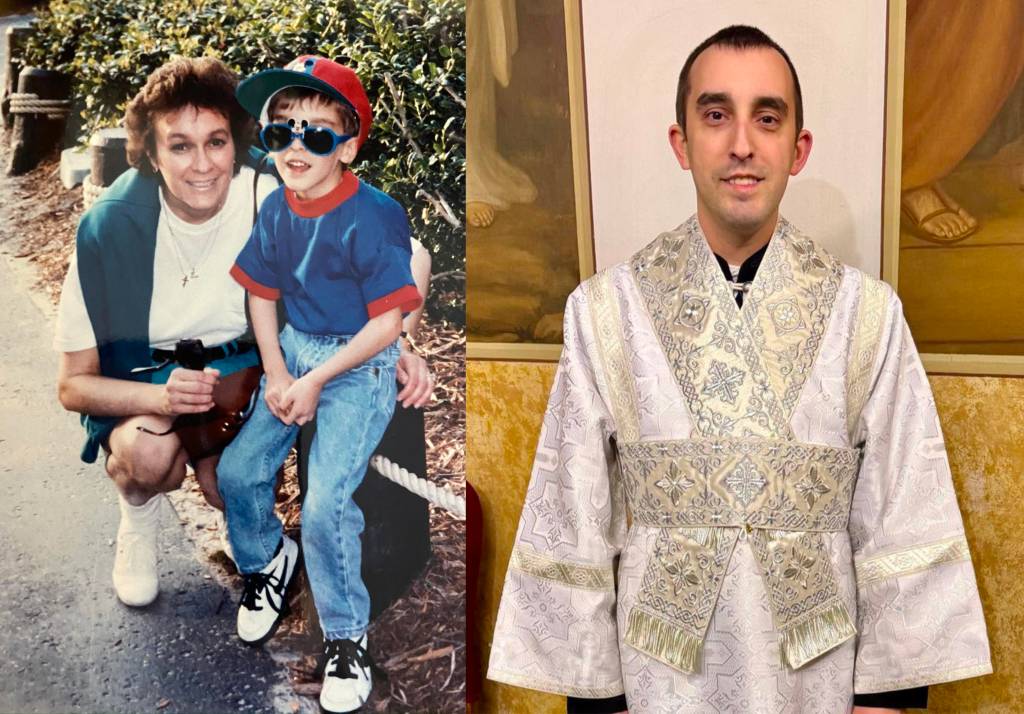
When Andrew lost his mother a few years ago, those memories became even more precious. They did not erase the grief, because nothing in this world can do that. But they gave him something beautiful to hold onto, and looking back on those trips helped him remember her love, her joy, and the gift of family.
Mandy used an inheritance from her mother to purchase DVC for her family. She sees the vacations it will provide over the next forty years as an ongoing gift from “Gramma” to her grandchildren. That is a very different way to think about money, because it is not only about possession, but about blessing.
Nicole said Disney trips renewed the connection among ten members of her extended family. When her father later suffered cardiac arrest, a photograph from their recent family trip sat beside him in the hospital. That picture reminded them how precious that time together had been.
Ami described Disney as a family tradition that gave her something hopeful to anticipate and helped her through grief and depression. Her conclusion was simple: tomorrow is not promised, so she wants a lifetime filled with beautiful memories. That is not a complete theology of life, but there is truth in it.
Heidi told a story about how Disney became part of her healing after a devastating loss. In April 2025, shortly after returning from Walt Disney World, she learned that one of her students, a 12-year-old girl she taught one-on-one in a children’s psychiatric unit, had taken her own life. In the grief that followed, Heidi longed to return to Disney, the place that felt safe and joyful.
Since she could not leave her responsibilities as a special education teacher, she found comfort in watching DVC fan content during those darkest days. That comfort eventually led to something deeper. Along with counseling, Heidi began volunteering at Give Kids The World Village after hearing about it through DVC fan content.
There, she saw firsthand how imagination, beauty, and a little bit of fantasy can give suffering families a moment of joy and relief. During one shift in the Castle of Miracles, where families place a star in honor of their child, she saw Disney-like wonder become an act of mercy. For Heidi, Disney was not an escape from grief as much as a small medicine of joy, one that helped her begin to heal and also helped her serve others.
What Does Scripture Teach About Money and Time?
The strongest scriptural warning for this whole topic may be the parable of the rich fool in Luke 12:16-21. The man in the parable has an abundant harvest, tears down his barns, builds larger ones, and tells his soul to relax because he has goods laid up for many years. But God says to him, “Fool! This night your soul is required of you.”
The problem was not that he had a good harvest. The problem was that he treated wealth as his security and forgot that life itself was a gift. He prepared for many future years, but he did not possess the next day.
This parable gives real weight to how Christians think about saving, spending, and family life. Saving is responsible. Providing for our families is good. But endless accumulation can become another form of greed, fear, or misplaced security.
Saint Paul writes, “For we brought nothing into this world, and it is certain we can carry nothing out” in 1 Timothy 6:7. That verse should sober us. No one takes a bank account, retirement fund, DVC contract, house, car, or collection of souvenirs into the grave.
There is no virtue in dying with the largest bank account if building it kept us from loving the people God placed beside us. There is also no virtue in reckless spending that leaves a family anxious, indebted, and unable to fulfill necessary obligations. Money is a servant, not a master.
Orthodox Christians believe everything we have should be offered back to God with thanksgiving. That includes money. It includes leisure. It includes the short seasons of life when our children are small, our parents are still with us, and our families can still gather around one table.
Saint John Chrysostom often warned Christians against hoarding wealth while ignoring love of neighbor. His teaching is not a call to despise material things, but to use them rightly. Wealth becomes spiritually dangerous when it closes the heart.
The Orthodox Church teaches that all created things are good when received rightly, but all created things can become idols when loved wrongly. Food can be blessed or abused. Rest can be healing or lazy. Travel can strengthen love or become vanity.
Is Disney Good or Evil?
Disney is neither holy nor uniquely evil. It is a commercial institution within a fallen world. Christians should approach it with the same discernment they bring to entertainment, shopping, work, school, sports, travel, and the rest of ordinary life.
Some Christians speak as if paying a company means endorsing everything that company believes, sells, supports, or produces. But if that were applied consistently, meaningful participation in ordinary economic life would become nearly impossible. We buy groceries, use phones, stream music, shop online, fly on airlines, and work with businesses that do not share the fullness of the Orthodox faith.
This does not mean Christians should be careless. Parents may reject particular messages, skip particular shows, avoid certain movies, or decide that a certain environment is not good for their children. Discernment is not the same as fear.
Fear says, “Everything touched by the world will destroy us.” Discernment says, “Let us test what is before us, reject what is false, receive what is good, and keep our hearts turned toward God.” That difference matters.
Saint Paul gives a helpful pattern in 1 Corinthians 5:9-10. He explains that he did not mean Christians must entirely avoid immoral people in the world, because then they would have to leave the world altogether. The early Christians were not commanded to vanish from society.
In 1 Corinthians 10:25-31, Saint Paul also teaches that ordinary participation in the surrounding culture may be received with thanksgiving, provided that Christians do not knowingly participate in idolatry. His concern is not panic, but faithfulness. The Christian asks not only, “Can I do this?” but “Can I do this with thanksgiving and a clean conscience?”
Romans 14 also helps us speak carefully. Saint Paul distinguishes personal conviction from universal command. One family may abstain from Disney or from certain forms of entertainment, and if they do so for the Lord, they should be respected.
But another family may go with prayer, moderation, gratitude, and discernment. The family that abstains should not condemn every family that goes. The family that goes should not mock the family that abstains.
This is especially important in Orthodox Christianity, where we are not trying to invent private rules for everyone else. We live within the Church, guided by Scripture, the Fathers, the services, confession, fasting, prayer, and pastoral counsel. Personal conviction should lead to humility, not judgment.
Can a Vacation Become Spiritually Disordered?
Yes, of course it can. A vacation becomes disordered when it requires reckless debt, neglects necessary obligations, replaces worship, or becomes the center of family life. No Christian family should treat Disney, sports, hobbies, cruises, or travel as more important than the Church.
Experiences should not replace generosity. They should not replace almsgiving. They should not replace Sunday worship, repentance, or the daily work of loving the people closest to us.
It is also important to say that families do not need Disney to create meaningful memories. The defense here is not of expensive vacations as a necessity. The defense is of wholesome recreation, family presence, rest, and gratitude.
A child can be loved at Disney, at a campsite, at a local park, around a kitchen table, or on a walk after dinner. A Disney trip will not repair a family that is habitually distracted, angry, absent, or disconnected. The deeper calling is to become present to one another, both on vacation and at home.
This is where Midnight Magic gets close to something true. The magic is not really the ship. It is the father walking with his son. It is the repeated act of presence, night after night, until a child grows up and carries the memory forward.
That is why the commercial is almost Christian, but not fully Christian. It sees the beauty of tradition, memory, fatherhood, and family love. It does not tell us the final purpose of human life, the healing of death, or the communion with God for which every family bond was created.
Memory itself can become thanksgiving. When we remember those who loved us, those who sacrificed for us, and those who made childhood feel safe, we are remembering gifts. For the Christian, gratitude should rise beyond the memory itself to the Giver of every good thing.
What Should Orthodox Families Ask Before Spending Money on Experiences?

The final question is not simply, “Was the trip worth the money?” That is too small. A better question is, “Did we receive these days gratefully, love one another more deeply, and return home with something greater than merchandise?”
If the answer is yes, then the money may have served love. If the answer is no, then even an expensive vacation may have left the family spiritually poorer. The issue is not whether the place is impressive, but whether the heart is rightly ordered.
Parents should prepare responsibly for tomorrow without sacrificing all the people and joys God has given them today. The rich fool planned for a future he never reached. Christians should plan, but we should not forget to live with gratitude in the day actually given to us.
Jesus Christ teaches us not to store up treasures on earth as though earthly things can save us. He also teaches us to love, to give, to rejoice rightly, and to receive life as a gift. The question is not whether Christians may ever enjoy ordinary life, but whether ordinary life is being healed by the Kingdom of God.
That is the invitation of the Orthodox Church. We do not flee the world because we are afraid of it, and we do not swallow the world whole because we are entertained by it. We bring every part of life before God and ask whether it can be received with thanksgiving, purified by repentance, and used for love.
Disney cannot give a family salvation. It cannot defeat death. It cannot heal the human heart. But a family trip, received with discernment, can become a small place where love is practiced, memories are formed, grief is softened, and gratitude is awakened.
That is why Christians can speak honestly about both the limits and the value of these experiences. We do not need to pretend Disney is holy. We also do not need to pretend every joy connected to it is corrupt.
The father and son in Midnight Magic are not preaching a sermon, but they remind us of something parents forget too easily. A small tradition may outlive the moment. A walk, a meal, a laugh, a photograph, or a child whispering “I so happy” may become a memory that carries love long after the trip is over.
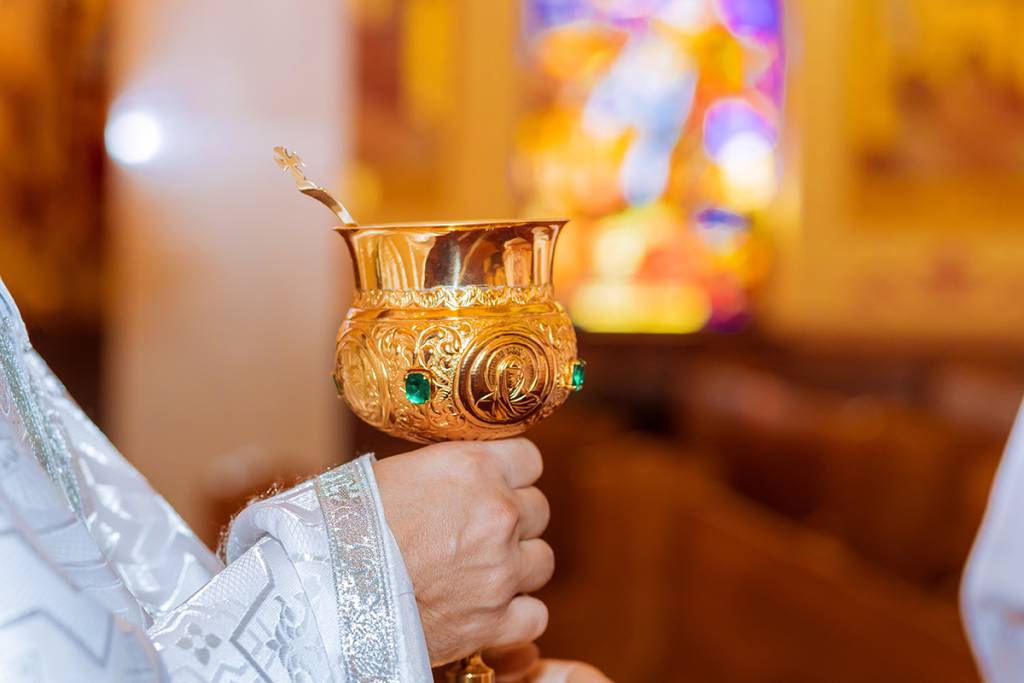
For Orthodox Christians, those memories should lead us to thanksgiving. They should teach us to number our days. They should remind us that the people beside us are not interruptions to our plans, but gifts placed in our care.
And when culture gives us a fragment of truth, we do not need to worship it or fear it. We can name it, receive what is good, reject what is false, and let it point us back toward the fullness of the faith. That is the heart of Almost Christian.
Frequently Asked Questions
Can Orthodox Christians go to Disney?
Yes, Orthodox Christians may go to Disney with discernment, gratitude, and moderation. Like any form of entertainment or travel, it should not replace worship, family responsibilities, generosity, or spiritual life.
Is Disney against Christianity?
Disney is a commercial company in a fallen world, not a church and not a spiritual authority. Christians should not accept everything it produces, but paying for a trip does not mean endorsing every message connected to the company.
What does the Bible say about family vacations?
The Bible does not speak directly about modern vacations, but it does teach gratitude, rest, hospitality, generosity, and wise use of money. It also warns against greed and misplaced security, especially in the parable of the rich fool in Luke 12.
Should Christians spend money on experiences?
Christians may spend money on experiences when doing so is responsible, generous, and rightly ordered. The question is whether the experience strengthens love and gratitude or becomes an idol.
How should Orthodox parents approach entertainment?
Orthodox parents should approach entertainment with discernment instead of fear. They should reject what is spiritually harmful, receive what is good with thanksgiving, and keep the life of the Church at the center of the family.
If you have a suggestion for a song, film, book, commercial, or other piece of media to be covered in the Almost Christian series, you can send it to Fr. Stephen at frsteve@savannahorthodox.com.