


The Patriot, Freedom, and the Cross
In 2026, America turns 250 years old. That anniversary is a good time for gratitude, but also for serious reflection. What do we mean by freedom, and what kind of people are we becoming with the freedom we have received?
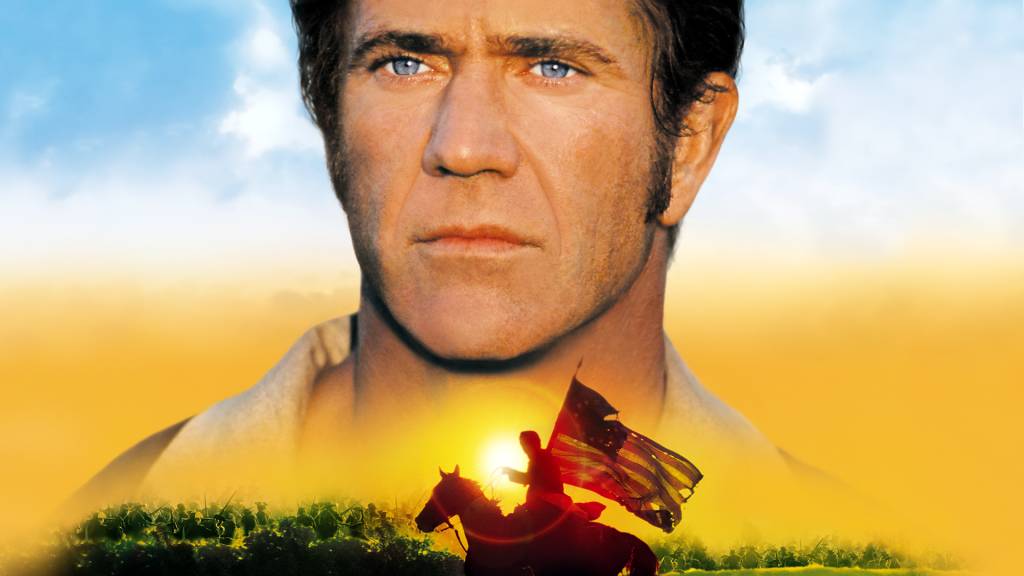
The 2000 film – The Patriot gives us one way to ask those questions. It tells the story of Benjamin Martin, a widowed father in South Carolina during the American Revolution, who wants peace but is pulled into war when violence reaches his own family. The film is not a Christian sermon, but it does raise deeply human questions about liberty, sacrifice, grief, revenge, and the cost of protecting those we love.
Earthly Freedom and the Deeper Bondage of the Heart
The Patriot matters because it shows that freedom is never cheap. In the film, liberty is not just a speech, a flag, or a political idea. It is paid for by fathers, sons, homes, churches, farms, friendships, and whole communities.
Orthodox Christians believe earthly freedom is a real good. A people should not be crushed by tyranny, cruelty, or unjust rule. The Orthodox Church gives thanks for peace, wise rulers, lawful order, and the ability to live in faith without fear.
At the same time, Orthodox Christianity teaches that earthly freedom is not salvation. A nation can win independence and still be enslaved to pride, greed, hatred, lust, and self-will. The deepest bondage is not political first, but spiritual.
Saint Paul writes, “For freedom Christ has set us free; stand fast therefore, and do not submit again to a yoke of slavery” in Galatians 5:1. The Orthodox Church reads this freedom as more than civil liberty. It is freedom from sin, death, the devil, and the passions that rule the human heart.
Benjamin Martin and the War Within
Benjamin Martin is not a clean hero. That is part of what makes him useful for reflection. He is brave, loving, and willing to sacrifice himself, but he is also wounded, angry, and capable of terrible violence.
At the beginning of the film, Benjamin wants to avoid the war. He has seen too much blood already. He knows that war changes men, stains the soul, and leaves memories that cannot simply be buried.
That desire for peace is deeply human, and it can be deeply Christian. The Church prays constantly for peace from above, peace in the world, peace in the churches, and peace in our souls. Christians are not meant to love violence, even when they must face evil with courage.
Yet war finds Benjamin anyway. When his family is attacked and his son is killed, his restraint collapses. Grief becomes rage, and justice begins to bend toward vengeance.
This is one of the most important spiritual tensions in The Patriot. The visible enemy is the British army, especially the cruel Colonel Tavington. But the deeper enemy is also inside Benjamin: hatred, revenge, and the temptation to become what he despises.
Orthodox Christians believe the real battlefield is the human heart. The Lord teaches that murder begins not only with the hand, but with anger in the heart. When hatred takes root, it can make even a just cause spiritually dangerous.
Benjamin’s grief is understandable. His pain is real. But pain does not automatically make a man righteous.
This is where the film becomes almost Christian. It understands that love can lead a man to sacrifice, but it also shows how love wounded by death can turn into wrath. The story sees the moral danger, but it cannot fully heal it.
Freedom is Good, but it is not Enough.
The American Revolution in the film is shown as a fight for liberty, home, and local community. Those are noble things. The desire to protect one’s family and resist cruelty can be honorable.
But the Orthodox Church teaches that freedom without virtue becomes another form of slavery. If a man is free from a king but ruled by anger, he is not truly free. If a nation is independent but enslaved to pride, it still needs repentance.
This matters for any Christian reflection on patriotism. Love of country can be good. Gratitude for one’s nation can be good. But patriotism must be purified by the Gospel, or it can become an idol.
An idol does not need to be a statue. An idol is anything we love in a disordered way. If love of country excuses hatred, cruelty, vengeance, or contempt for enemies, then it has become spiritually sick.
Orthodox Christians can give thanks for America without pretending that America is the Kingdom of God. We can honor sacrifice without saying that every cause, every battle, or every leader was pure. We can love our country best when we love the truth more.
The Family Stands at the Center of the Film
Benjamin Martin’s choices are shaped by fatherhood. He is not first shown as a politician or soldier, but as a father trying to protect his children. His home is his first field of responsibility.
This is one reason the film connects with so many viewers. The cost of war is not abstract. It enters kitchens, bedrooms, fields, churches, and family tables.
Orthodox Christianity takes the family seriously, not as an idol, but as a place of love, sacrifice, patience, and repentance. A father is not called to dominate his home. He is called to lay down his life in humility, courage, and care.
Benjamin’s love for his children is one of his most human qualities. He wants to keep them safe, but he cannot fully protect them from the brokenness of the world. Every parent understands something of that fear.
The film shows the pain of a father who cannot stop suffering from entering his house. That sorrow can make a person bitter, or it can become a place where prayer begins. In Orthodox life, grief is not denied, but it is carried before God.
The Home Becomes a Symbol of What War Destroys
Throughout The Patriot, homes are burned, families are scattered, and ordinary life is shattered. The destruction of houses and churches reminds us how fragile earthly security is. What feels permanent can disappear in a single night.
The burning of the church is one of the most painful images in the movie. It is also one of the most complicated. The church is a holy place, yet in the film the community’s faith becomes tangled with fear, patriotism, anger, and the call to war.
This should make Orthodox Christians think carefully. The Church prays for the nation, but the Church is not the nation. The altar cannot be reduced to a political platform.
When Christians gather in church, they stand before the Kingdom that cannot be burned. Buildings can be destroyed. Nations can rise and fall. But the life of God is not fragile in the way earthly things are fragile.
This does not mean earthly places do not matter. Homes matter. Churches matter. Graves matter. Communities matter.
But they point beyond themselves. Every earthly home is temporary. The heart longs for the Father’s house, for the Kingdom where death, fire, war, and grief cannot enter.
Sacrifice is the Strongest Christian Echo in the Story
The film is filled with sacrifice. Men risk their lives for their families, friends, neighbors, and future generations. They do not fight only for an idea, but for people they love.
Christianity understands sacrifice through the Cross. The highest form of love is not domination, but self-offering. Jesus Christ conquers not by cruelty, but by laying down His life and rising from the dead.
This is the true measure of freedom. The free person is not the one who can do whatever he wants. The truly free person can love, forgive, obey God, resist sin, and give himself for another.
In this way, The Patriot reaches toward something Christian, even when it remains incomplete. It knows that love costs something. It knows that freedom requires blood, tears, and courage.
But the film’s vision is still limited. It can show sacrifice in battle, but it cannot fully show the martyr’s freedom. It can show men dying for their country, but the Church points us to saints who die forgiving their enemies.
Vengeance is the Shadow Side of the Story
Benjamin Martin’s grief gives the film emotional power, but it also gives the story its spiritual danger. He does not only want to defend his family. At times, he wants to make his enemies suffer.
That is where justice becomes distorted. Justice seeks what is right. Vengeance seeks satisfaction through another person’s pain.
Orthodox Christianity teaches that anger can blind the soul. Saint John Cassian warned that anger darkens spiritual vision and makes prayer impossible until the heart is healed. A person can claim to be defending righteousness while secretly feeding the passion of wrath.
This does not mean Christians must pretend evil is harmless. Colonel Tavington represents cruelty without repentance. He is not merely an opposing soldier, but an image of pride, contempt, and violence given room to grow unchecked.
Still, the Christian must be careful. It is easy to hate Tavington. It is harder to ask where his cruelty finds a smaller echo in our own hearts.
The Orthodox life begins with that hard question. Not, “Why are my enemies so wicked?” but, “Lord, have mercy on me and cleanse my heart.”
Political Revolution and Repentance are not the Same Thing.
The Patriot is about revolution. It tells a story of people trying to change the outer order of society. They want a different political future for their children.
Repentance is different. Repentance begins with the heart. It is not simply a change of government, but a change of mind, direction, desire, and life.
A revolution may remove one ruler and replace him with another. Repentance asks whether I am still ruled by sin. It asks whether pride still sits on the throne of my heart.
This contrast matters deeply. A person can be passionate about public freedom while refusing to forgive his brother. A person can speak beautifully about liberty while remaining enslaved to lust, greed, bitterness, or vainglory.
The Orthodox Church teaches that the healing of the world begins with the healing of the human person. This does not mean Christians ignore injustice. It means that without repentance, even our efforts to fix the world can become infected by the passions.
The Departed are not Forgotten
Memory is a major theme in The Patriot. Benjamin is haunted by what he has done and what he has lost. The dead remain present in the lives of the living.
Orthodox Christianity takes memory seriously. We pray for the departed, not because we deny death, but because love does not end at the grave. The Church remembers names, offers prayers, keeps anniversaries, and asks God to grant rest where there is no sickness, sorrow, or sighing.
The film shows grief, but the Church gives grief a home. In the prayers of the Church, mourning is joined to hope. We do not forget the dead, and we do not pretend that death has the final word.
The Resurrection changes how Christians remember. We still weep. We still miss those we love. But we pray in hope, trusting the mercy of God.
The Church Scene is Powerful, but Complicated
One of the most memorable moments in the film happens when the people gather in church and are stirred toward joining the cause. It is emotionally strong because the church is the heart of the community. The people are not only citizens, but neighbors, families, and believers.
Yet this moment should also make us cautious. Faith and patriotism can become tangled in ways that are not always healthy. A sermon can inspire courage, but it can also baptize anger if the heart is not watchful.
The Orthodox Church does not teach that love of country is wrong. Orthodox Christians have often loved their homelands deeply and served them with honor. But the Church also teaches that every earthly loyalty must bow before God.
When the Church prays for civil authorities, it does so for peace, justice, mercy, and the ability to live godly lives. It does not proclaim that any nation is sinless. It does not teach that God belongs to one political cause.
This is especially important as America approaches its 250th anniversary. Gratitude should not become triumphalism. Memory should not become mythmaking.
We can thank God for blessings without pretending our history is spotless. We can honor sacrifice without worshiping war. We can celebrate freedom while remembering that true freedom must be joined to humility.
The Film is Almost Christian Because it Sees Both Nobility and Brokenness
The Patriot is not a simple story of pure heroes and pure villains. Colonel Tavington is clearly cruel, but Benjamin Martin is not pure. The American cause is shown with sympathy, but the film does not erase the cost of violence.
That is why the story can serve as a useful cultural reflection. It sees sacrifice, courage, family love, grief, leadership, and the longing for freedom. These are real goods.
But it also shows anger, revenge, trauma, pride, and the danger of becoming hardened by loss. These are not small issues. They are spiritual wounds.
The film falls short of the fullness of Christian truth because it cannot finally heal what it reveals. It can show the wound. It can move us emotionally. But the healing of the soul comes through repentance, prayer, forgiveness, the sacraments, and life in the Church.
This is the purpose of the Almost Christian series. Popular stories can reflect fragments of truth, beauty, virtue, and longing. They can stir the heart toward deeper questions.
But they are not the fullness of the faith. They are signs, not the destination. They may point toward the door, but they cannot replace the life of the Church.
Leadership Carries a Heavy Burden
Benjamin Martin becomes a leader because others trust him and because the moment demands it. But leadership in the film is not glorious in a simple way. It carries grief, guilt, decisions, and consequences.
Every leader must face the fact that his choices affect other people. A father, priest, commander, teacher, or public official cannot act as if his life belongs only to himself. Others are carried by his courage, but they can also be wounded by his failures.
Orthodox Christianity sees leadership through service. Authority is not given for self-exaltation, but for care. The higher a person is placed, the deeper his accountability before God.
Benjamin carries the memory of those who die around him. That burden is part of his humanity. It also reminds us that no earthly victory removes the need for mercy.
The Cross is the True Measure of Freedom
The deepest Christian answer to The Patriot is not found in a battlefield victory. It is found in the Cross. There we see that God’s victory does not look like domination, revenge, or hatred.
Jesus Christ reveals freedom as self-giving love. He is not enslaved by fear, rage, or the desire to destroy His enemies. He gives Himself for the life of the world.
This is why Orthodox Christians must speak carefully about freedom. We may rightly give thanks for civil freedom, religious liberty, and the sacrifices of those who came before us. But we must never confuse those gifts with the salvation of the soul.
The freest person is the saint. The saint may live under an empire, a king, a republic, or a prison guard, yet still be inwardly free. No tyrant can enslave a heart that belongs wholly to God.
This does not make earthly freedom meaningless. It puts earthly freedom in its proper place. Freedom is a gift to be used for virtue, worship, mercy, and love of neighbor.
As America turns 250, this is a needed word. A nation’s freedom is a responsibility, not merely a possession. The question is not only, “Are we free?” but, “What are we becoming with our freedom?”
Gratitude Without Triumphalism
An Orthodox Christian can watch The Patriot with gratitude for courage and sacrifice. We can remember those who suffered, fought, buried their dead, and tried to build a future for their children. We can also grieve the sins, wounds, and contradictions that mark every nation’s history.
The Church teaches us to hold gratitude and repentance together. We do not need to hate our country in order to be humble. We do not need to pretend our country is holy in order to love it.
The better path is thanksgiving joined to responsibility. If we have received freedom, we should use it to worship God, raise our families well, serve the poor, protect the weak, and repent of our sins. That is a more Christian patriotism.
The 250th anniversary of America should not simply be a birthday party for national pride. It should be a moment to remember sacrifice, examine the heart, and ask what kind of people freedom is forming in us. Without virtue, freedom decays. With repentance, freedom becomes a field where love can grow.
FAQ
Is The Patriot a Christian movie?
The Patriot is not a Christian movie in the full sense, and it is not an Orthodox film. It contains Christian images and themes such as sacrifice, family, grief, courage, and the cost of freedom, but it also presents vengeance and violence in spiritually complicated ways.
What does Orthodox Christianity teach about freedom?
Orthodox Christianity teaches that earthly freedom is good, but the deepest freedom is freedom from sin, death, and the passions. A person can be politically free and still spiritually enslaved if he is ruled by hatred, pride, greed, or self-will.
Can Orthodox Christians be patriotic?
Yes, Orthodox Christians can love their country, give thanks for its blessings, and serve their neighbors faithfully. But patriotism must be purified by Christ, so it does not become hatred, idolatry, revenge, or pride.
What is the spiritual lesson of The Patriot?
One spiritual lesson is that the enemy outside us is not the only enemy we face. Benjamin Martin fights a political war, but his deeper battle is against grief, rage, vengeance, and the hardening of his own heart.
Why reflect on The Patriot for America’s 250th anniversary?
The film gives Americans a way to think about freedom, sacrifice, family, memory, and responsibility. For Orthodox Christians, the 250th anniversary is a time for gratitude without triumphalism, and for remembering that the Cross is the true measure of freedom.
As America turns 250, The Patriot can help us ask better questions about liberty, sacrifice, and the human heart. The film gives us echoes of truth, but the Orthodox Church calls us beyond cultural reflection into repentance, worship, and communion with God. If you have a suggestion for a future Almost Christian article, email Fr. Stephen at frsteve@savannahorthodox.com.


1 Comment
Cody
Freedom to fulfill one’s true nature is of the highest worldly pursuits. Freedom without this qualifier can and will quickly turn us to the passions, and down a path of hedonism.