Saint Peter and Saint Paul are often remembered together as the two great apostles who carried the Gospel to the world.
Peter was a fisherman from Galilee who followed Christ, fell, repented, and became a leader of the early Church.
Paul was a scholar and persecutor of Christians who turned into one of the Church’s strongest missionaries.
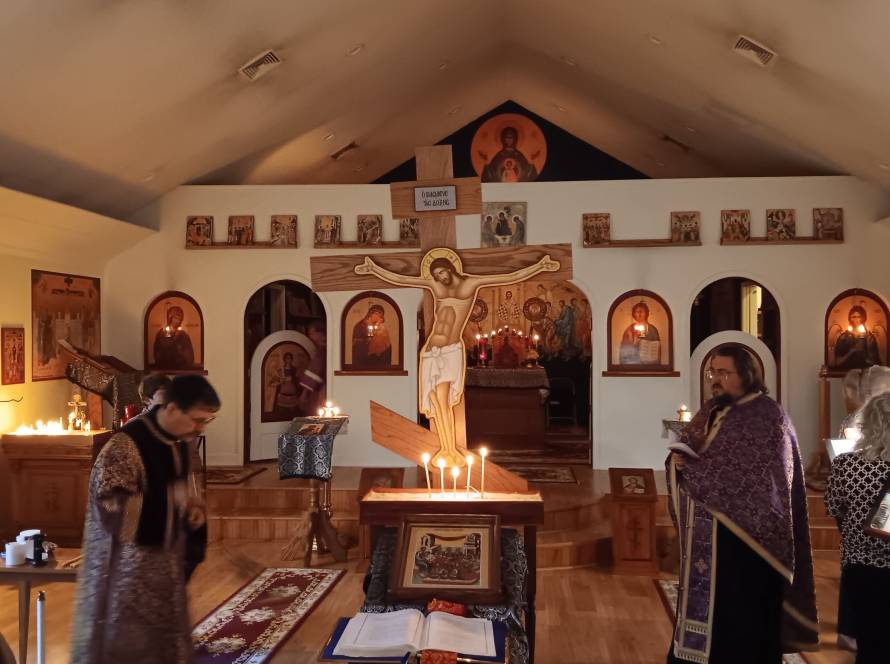
Orthodox Christians honor Saints Peter and Paul as leaders of the apostles and living icons of repentance, courage, and unity. Across Orthodox parishes, including St. Mary Magdalene Orthodox Church in Savannah, the Feast of Saints Peter and Paul on June 29 is marked with Divine Liturgy and special hymns honoring their shared witness.
Their lives show that faith grows through repentance and service. Whether you are new to Orthodoxy or returning to your roots, their story offers a clear path toward Christ.
Who Is Saint Peter
Saint Peter, the Apostle, is a central figure in Orthodox Christianity. Saint Peter was one of the Twelve Apostles of Jesus and is considered the first bishop of Antioch and the first bishop of Rome in both Catholic and Orthodox tradition.
Peter, originally named Simon, was a fisherman when Jesus called him: “Follow Me, and I will make you fishers of men” (Matthew 4:19).
His brother Andrew brought him to Christ, and from that moment, his life changed completely. Jesus later gave him the name Peter, meaning “rock,” saying, “You are Peter, and on this rock I will build My Church” (Matthew 16:18). He became a leader of the early Church after Jesus’ death
His Life and Faith
Peter’s journey of faith was full of courage and weakness, love and repentance. He witnessed many miracles of Christ. He walked on water and began to sink when fear overtook him (Matthew 14:29–31), saw the Transfiguration on Mount Tabor (Matthew 17:1–9), and declared Jesus to be the Son of God yet denied Him three times before the rooster crowed (Luke 22:61–62).
After the Resurrection, Christ forgave and restored him through love, asking three times, “Do you love Me?” and commanding him to “Feed My sheep” (John 21:15–17). This moment turned Peter’s failure into faith, making him a shepherd of souls and a living witness to God’s mercy.
His Mission
What did Saint Peter do after Christ’s Resurrection? He preached boldly at Pentecost, healed the sick, and opened the Church to the Gentiles. The Orthodox Church calls Peter the chief of the apostles (koryphaios) because he preached first at Pentecost and brought thousands to faith. He also opened the Church to the Gentiles when he baptized Cornelius after a vision from God.
Peter’s ministry grew through both miracles and persecution. He healed a man who had been lame from birth and boldly confessed Christ before the Jewish council, saying, “We must obey God rather than men” (Acts 5:29).
His Martyrdom
In his later years, Peter traveled to Rome to continue preaching the Gospel. During Emperor Nero’s persecution of Christians, Peter was arrested and sentenced to death. According to Tradition, he asked to be crucified upside down, since he did not feel worthy to die in the same manner as his Lord.
Peter’s martyrdom around 64 AD became a symbol of humility, repentance, and courage. His life shows how God transforms weakness into strength and failure into faith. The Orthodox Church honors him as the first among the apostles – a man who loved Christ deeply and shepherded His Church with devotion.
Who Is Saint Paul
Saint Paul, originally named Saul, was born in Tarsus, a city in modern-day Turkey. He came from a Jewish family and was educated as a Pharisee under the respected teacher Gamalie. He first opposed the Church, approving the death of Saint Stephen.
His Life, Faith and Mission
On his way to Damascus, everything changed for Paul. Christ appeared to him in light, saying, “Saul, Saul, why are you persecuting Me?”. Blinded and humbled, Paul was baptized and filled with the Holy Spirit. From that moment, he began to proclaim the Gospel that he once tried to destroy (Acts 9).
What is Saint Paul known for? His missionary journeys, theological writings, and tireless work spreading Christianity beyond the Jewish world. Once Paul converted, he became one of Christ’s greatest servants. He called himself “the least of the apostles” (1 Corinthians 15:9), yet through him, the Church grew across the Roman world. He carried the faith to cities across the Roman Empire – Antioch, Ephesus, Corinth, Philippi, and Rome. He wrote many of the New Testament letters, teaching about grace, unity, and the new life in Christ.
Paul wrote, “I have been crucified with Christ; it is no longer I who live, but Christ lives in me” (Galatians 2:20). This verse captures his deep faith—life in Christ replaces the old life of sin. He endured imprisonment, beatings, and shipwrecks, yet continued preaching hope and salvation. His letters still guide Orthodox teaching today, shaping how we pray, forgive, and love one another.
His Martyrdom
Paul spent his final years in Rome, preaching and writing under house arrest. During Emperor Nero’s persecution of Christians, he was arrested again for proclaiming the Gospel. As a Roman citizen, he was sentenced to beheading rather than crucifixion. His death around 67 AD sealed his witness with courage and peace.
The Church remembers Paul’s martyrdom alongside Saint Peter’s, both giving their lives in Rome for the same faith. Their shared sacrifice stands as a sign of unity in Christ and a call to every believer to remain steadfast to the end. Paul’s legacy lives in his words, his endurance, and his unwavering love for God.
Why Are Saints Peter and Paul Celebrated Together
Saints Peter and Paul are celebrated together because they share one faith and one mission, though they came from different backgrounds. They both preached Christ in Rome and were martyred there.
Their unity is a symbol for the Church: Peter represents steadfast faith and leadership, Paul represents zeal and mission. Even when they disagreed, like their brief dispute at Antioch, they reconciled and stood together for the truth (Galatians 2:11–14).
The Orthodox Church celebrates the Feast of Saints Peter and Paul on June 29 after the Apostles’ Fast. The hymns for the day call them “the greatest and most righteous pillars of the Church”. The Church’s hymnography doesn’t simply honor Peter and Paul with poetic praise – it reveals what their lives mean for us today. As Fr. Steven Kostoff during Great Vespers puts it beautifully:
“What spiritual songs shall we sing for Peter and Paul?
They have silenced the sharp tongues of the godless.
They are awesome swords of the Spirit,
The adornment of Rome,
And have nourished the whole world with the Word of God.
They are living tablets of the New Testament,
Written by the hand of God.
Christ, who has great mercy, has exalted them in Zion.”
These lines remind us that the apostles were not only preachers but living witnesses of divine truth. They carried the Gospel across empires, transforming hearts through faith and endurance.
To learn more about the Orthodox faith and its apostles, visit Orthodoxy page.
Conclusion
Saints Peter and Paul show how God transforms ordinary lives. One fisherman, one scholar both became pillars of the Church. Their faith, courage, and repentance continue to guide the Orthodox faithful today.If you are exploring Orthodoxy, let their example lead you closer to Christ. Celebrate with us at St. Mary Magdalene Orthodox Church in Savannah this June 29 and meet the faith that changed the world.