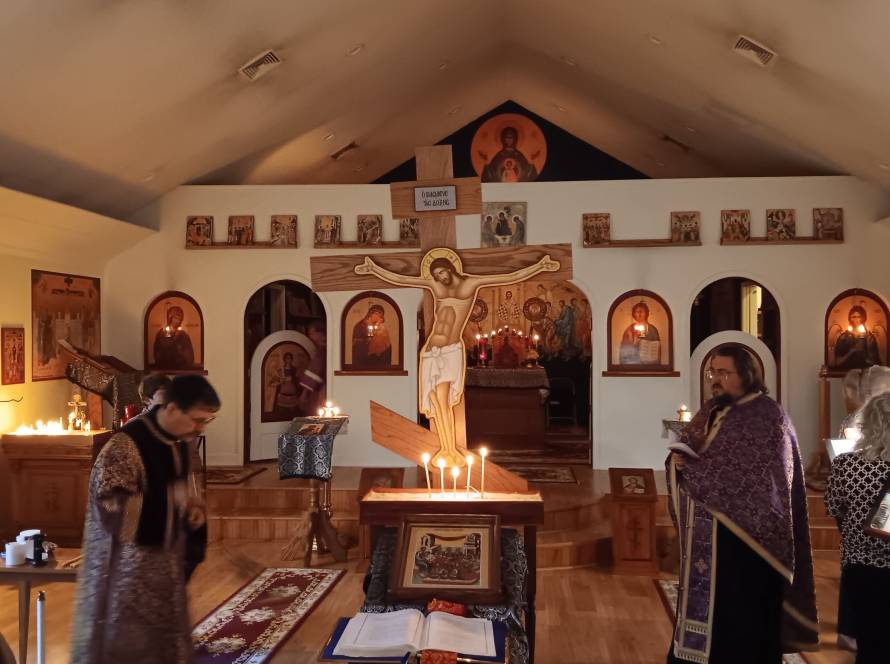
Orthodox Christianity has a long history that shows the Church’s continuity. The traditions and rituals passed down through the years are important and reflect deep theological beliefs. Visiting an Orthodox Church for the first time is more than just attending a service; it introduces you to a deeper spiritual experience.
This guide will help you understand the basic practices of Orthodox worship. It explains how prayer ropes, sacred texts, and customs work together to create a meaningful and spiritual experience.
Key Aspects of Orthodox Worship in The Public Church
Orthodox worship goes beyond just the Sunday service. It becomes part of a believer’s daily life through important practices and principles.
- Sensory Engagement: Orthodox worship is a whole experience that engages all five senses. It uses beautiful icons that you can see, hymns that you can hear, the smell of incense, the feeling of kneeling, and the taste of the Eucharist.
- Communal Participation: Worship is a group experience. The Liturgy is not just about personal feelings; it shows how the community of believers comes together to honour God.
- The Liturgical Calendar: The Orthodox liturgical calendar features many celebrations and fasts that shape the Church’s spiritual life. Important events include Pascha (Orthodox Easter) and the Twelve Major Feasts of the Orthodox Church.
- Saints: Saints are very important in the Orthodox faith. They serve as role models for Christians and show what it means to live a good life.
- Spiritual Guidance: Another key idea is having a spiritual father or mother. This is a trusted clergyman or monk who provides spiritual advice. This personal connection helps followers on their spiritual journeys and strengthens their faith.
How Orthodox Christians Worship
Divine Liturgy
The primary act of worship is the Divine Liturgy, a formal Sunday service rooted in the traditions of the Apostles.
The Liturgy is a group gathering focused on worshipping together and sharing Holy Communion, rather than expressing personal feelings.
The atmosphere is intentionally different:
- Standing: People stand for most of the service to show respect, as there are no regular benches.
- Incense: The scent of incense fills the air, symbolising prayers rising to heaven.
The service offers an experience of prayer that engages the whole body, with actions such as lighting a candle or making the sign of the cross, rather than being just a mental exercise.
To explore this further, we will take you through a Divine Liturgy, where you can learn more about holy service.
Veneration of Icons
Before and after service, many people go to the icons, make the sign of the cross, and kiss them to show their love and respect. This gesture is meant for the person depicted in the icon, not for the icon itself.
Candles
Lighting a candle is a common practice and a simple approach to pray. The lit candle represents a prayer going up to the sky.
The Use of Prayer Ropes
For Orthodox Christians, prayer goes beyond the church. Daily personal prayer is a critical practice, and many people use a tool called the prayer rope to help them focus.
You might wonder, “Do Orthodox Christians pray the rosary?” The answer is no. While both the prayer rope and the rosary are used for prayer, they work in different ways and have different origins. Orthodox Christians do not use the rosary; this practice is reserved for the Roman Catholic Church.
A prayer rope, or komboskini in Greek, is usually made from wool and has a series of knots. The number of knots can vary, with 33, 40, 50, or 100 being the most common. The prayer rope helps people recite the Jesus Prayer, which is a simple and profound request:
“Lord Jesus Christ, Son of God, have mercy on me, a sinner.”
Each knot represents one repetition of the prayer. This helps individuals keep track and concentrate on the words without getting distracted. The prayer rope aids focus and serves as a reminder of their commitment to prayer. It is not a magical object or good luck charm; it is a practical tool for personal and spiritual practice.
To know how to use a prayer rope practically, here’s a visual example that will make you know how to do so.
The Foundation of Scripture and Tradition
In Orthodoxy, Tradition and Scripture go hand in hand. They are seen as two parts of the same living whole. Tradition includes more than just old practices; it represents the ongoing work of the Holy Spirit in the Church. It covers the writings of early Church Fathers, the decisions made at Ecumenical Councils, and the development of the Divine Liturgy.
So, what Bible does the Orthodox Church use?
The Orthodox Church uses the Septuagint version of the Old Testament. This is a Greek version of the Hebrew Scriptures that the Apostles and early Christians used. It contains books that are not in the Protestant Old Testament, such as Tobit, Judith, and Sirach.
The New Testament is the same as the one used by other Christian denominations. The Orthodox Church views both the Old and New Testaments as the inspired word of God. Scripture is read at every service, ensuring that the congregation stays connected to God’s word.
The Broader Life of the Church
To appreciate Orthodox worship, it’s helpful to understand a few key ideas. The liturgical calendar is a cycle of celebrations and fasts that guides the spiritual life of the Church.
Important events include Pascha (Orthodox Easter) and the Twelve Great Feasts of the Orthodox Church. Saints are significant in the Orthodox faith; they are seen as examples and role models for Christians.
Another essential concept is having a spiritual father or mother. This is a trusted priest or monk who provides spiritual guidance. This personal connection helps believers navigate their spiritual journey and strengthen their faith.
Orthodox vs Protestant Worship: The Difference
Here is a comparison of Orthodox worship and Protestant worship:
| Feature | Orthodox Worship | Protestant Worship |
| Liturgy | Highly structured with ancient rituals | More flexible, centred around the sermon |
| Music | Sung or chanted without instruments (except voice) | Use of instruments like organ, guitar, drums |
| Use of Icons | Prominent, revered but not worshipped | Rarely used, focus is on Scripture and self worship |
| Sacraments | Baptism, Chrismation, Eucharist, Confession, Marriage, Unction, Clergy Orders | Varies by denomination, less frequent, or entirely nonexistent |
| Posture | Primarily standing, with occasional sitting for the homily/sermon or during some litanies | Mostly sitting, with occasional standing for hymns |
| Language | English (in America), Greek, Slavonic, or local language | Usually local language, typically English |
The Orthodox Approach to the Catholic Mass
The Mass is the traditional version of the Roman Catholic Liturgy. It has roots that are similar to those of the Orthodox Liturgy, but it has developed in its own unique way in the West whereas the Orthodox Liturgy maintained the liturgical traditions of the East.
- The Catholic Mass is known for being very formal and organized, much like the Orthodox Liturgy.
- In the past, it was celebrated in Latin, but today it is celebrated in the language of the local community. Some places still maintain the Latin Mass but this is rare and far between.
- The theology of the Latin Mass is often seen as structured and focused on rules, stressing ideas of satisfaction and guilt.
- Both the Orthodox Liturgy and the Roman Mass share in Apostlic origins. However, over the centuries, they developed different and distinct practices due to the changing scope of the theological trajectory of the West.
Explore and Connect with Us
If you want to see Orthodox worship in person, we invite you to our parish. The rituals might seem detailed, but you will feel the beauty of Orthodox worship best when you attend.
Experience the beauty of Orthodox worship at St Mary Magdalene Orthodox Church Savannah; visit us and see prayer and tradition come alive.
You can come and sit at the back of the Church. There is no need to worry about what to do; watch and let the experience surround you. The friendly group will make you feel at home. If it’s your first visit and you’re unsure what to wear, our visitor guide will help you feel comfortable.
If you want to learn more about our worship practices at home, visit our Orthodoxy page. Here, you will find helpful resources, including information about Bible study groups, catechism lessons, and ways to connect with the Church.
To learn more about the Orthodox faith, check our Bible Study page, where we offer classes for those interested in diving deeper into Scripture and Tradition.
Frequently Asked Questions (FAQs)
Ques: Do Orthodox Christians Pray the Rosary?
Ans: No. Orthodox Christians do not use the Rosary. Instead, they use a prayer rope, which helps them say prayers like the Jesus Prayer.
Ques: What Bible Does the Orthodox Church Use?
Ans: The Orthodox Church follows the Septuagint version of the Old Testament. This version includes books not found in the Protestant Bible, as well as the New Testament.
Ques: How Do Prayer Ropes Fit into Orthodox Worship?
Ans: Orthodox Christians often use prayer ropes for personal prayer, mainly for reciting the Jesus Prayer. These ropes help them focus and support their spiritual practice.
Conclusion
Orthodox Christian services are beautiful and engaging. They show a belief passed down through generations and remain lively.
Orthodox Christians use prayer ropes, scripture, and a strong tradition to connect with God in a way that involves their mind, body, and soul. This connection is both a lifestyle and part of Sunday worship.
If you want to explore this ancient Christian journey, your nearest Orthodox Church welcomes you. You can find warmth and support from a community that values this tradition.
If you are new to Orthodox worship and wondering how to get started, you can explore this getting started guide to begin this journey.