Sin is one of the first things we must understand if we are going to understand the Christian life. The Orthodox Church does not teach about sin in order to crush people with guilt. The Church teaches about sin because sin is the sickness Christ came to heal. If we do not understand what sin is, we will not understand repentance, confession, fasting, prayer, Holy Communion, or salvation.
In Orthodox Christianity, sin is not only “breaking a rule.” It is turning away from the life God created us to live. We were made to know God, love God, become holy, and live in communion with Him. Sin is anything that pulls the heart away from that purpose. It is not freedom. It is not life. It is the wound that keeps us from becoming truly human.
Sin Is Turning Away From the Target
Many people have heard that sin means “missing the mark.” That phrase can be useful, but it is incomplete if we stop there. It can make sin sound like we were sincerely aiming at God, but our shot was just a little off. Sometimes that is true. We are weak. We stumble. We fail even when we wanted to do good.
But very often, sin is more serious than simply missing the mark. Sin is not only missing the target. Sin is refusing to aim at the target at all. The target of human life is union with God. We were created to live in communion with the Holy Trinity, to be filled with divine life by grace, and to become holy.
Imagine an archer standing with his back to the target. He may say, “I am trying to hit the bullseye,” but if he refuses to turn around, he is not really aiming. He cannot hit the target while facing the wrong direction. That is literally impossible, unless he is Hawkeye, and Hawkeye is fictional and fake (and the most misunderstood character in the MCU…I said what I said.) In the same way, we cannot aim our life at pride, lust, anger, greed, comfort, control, and self-will, and then expect to become holy.
This is one of the great lies sin tells us. Sin tells us we can face away from God and still arrive at God. It tells us we can build our life around our own will and still somehow become saints. It tells us we can feed the passions and still remain spiritually healthy. But the soul does not work that way. What we aim at shapes what we become.
The Orthodox Church teaches that human beings were created for communion with God. We were not created merely to be decent people, avoid trouble, or follow religious customs. We were created to become like God by grace. This does not mean we become God by nature. It means we are healed, purified, illumined, and united to Him through His grace.
Holy Scripture teaches this clearly. Saint Peter says that we are called to become “partakers of the divine nature” in 2 Peter 1:4. Saint Paul says that all have sinned and “fall short of the glory of God” in Romans 3:23. Sin is not merely falling short of a rulebook. It is falling short of glory. It is falling away from the life for which we were made.
This is why sin must be understood in relation to God. If we only think of sin as a list of bad actions, we will miss the deeper issue. The deeper issue is direction. What is my life aimed at? What do I love most? What do I obey? What do I protect? What do I refuse to surrender? What am I becoming?
The first sin in Genesis shows us this clearly. Adam and Eve did not simply violate a command in some shallow legal sense. They turned from trust to suspicion. They listened to the serpent instead of God. They grasped at life apart from obedience. After they sinned, they hid. They blamed. They became afraid. Their communion with God, with each other, and with themselves was wounded.
This is still how sin works. Sin always promises something. It promises pleasure, control, revenge, comfort, attention, escape, or power. But once it is welcomed, it wounds the soul. It makes us hide from God. It makes us blame others. It makes us defend what is killing us. It makes us less honest, less loving, less peaceful, and less free.
This is why repentance is not simply feeling bad. If sin is facing the wrong direction, then repentance means turning around. A person can feel guilty while still facing away from God. A person can feel ashamed while still protecting the same sin. Repentance means we stop walking away from God and begin moving toward Him again.
The Lord begins His public preaching with the words, “Repent, for the kingdom of heaven is at hand” in Matthew 4:17. This is not a threat. It is an invitation. The Kingdom is near, so turn around. Stop facing death. Stop aiming at the passions. Stop pretending that sin can give life. Turn back to God, because the life you were made for is found in Him.
In the Orthodox Church, repentance is not a one-time emotional moment. It is the whole shape of the Christian life. We are always learning to turn back. We turn back in prayer. We turn back in confession. We turn back in fasting. We turn back when we forgive. We turn back when we stop making excuses. We turn back when we obey even when our pride does not want to.
This is why the Church is patient, but not careless. The Church knows that healing takes time. People fall. People struggle. People carry wounds. But patience is not the same thing as pretending sin does not matter. A doctor is patient with a sick person, but he does not call the sickness health. In the same way, the Church receives sinners with mercy, but she still tells the truth about sin.
Sin Wounds the Soul and Enslaves the Heart
One common misunderstanding is that sin is mainly a legal problem. In that view, God is imagined mostly as a judge keeping a record of crimes, and salvation is treated mostly as the cancellation of punishment. Orthodoxy does not deny that sin involves guilt. We are responsible for what we do. God is just. Our choices matter. But the Orthodox Church does not reduce sin to a courtroom problem.
Sin is also a sickness, a wound, and a distortion of the soul. It damages the person from within. It darkens the mind, weakens the will, disorders the desires, and damages communion. Sin is not only something written against us. It is something wrong within us. We do not merely need our record cleared. We need our hearts healed.
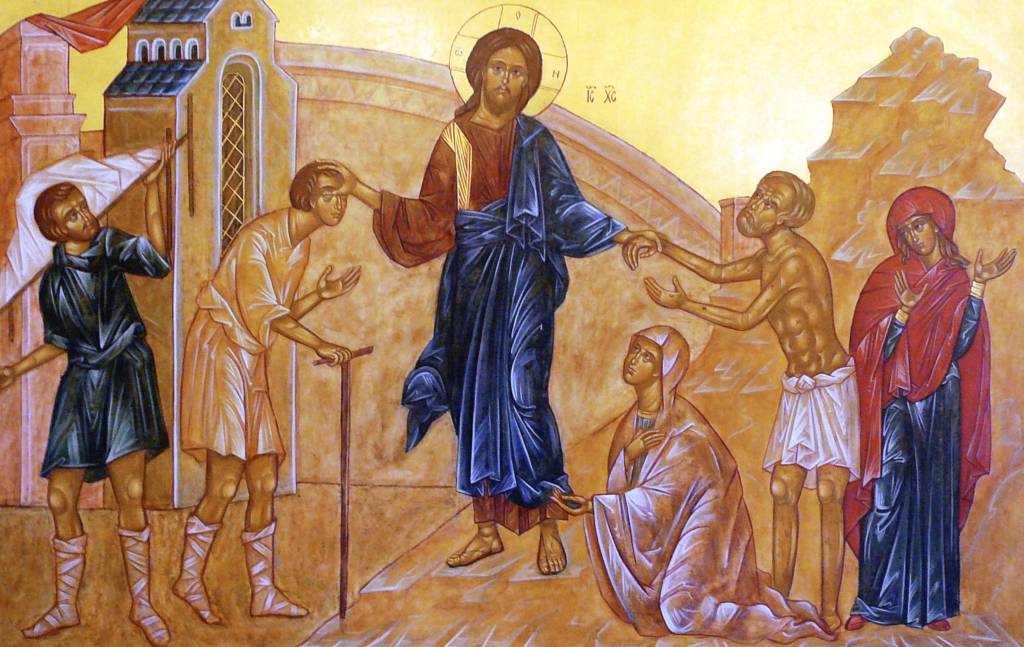
This is why Christ is not only called our Judge, but also our Physician. He does not come merely to announce that punishment is removed. He comes to destroy death, forgive sins, cleanse the heart, heal the will, and restore human nature. Salvation is not only pardon. It is healing, purification, restoration, and union with God.
Saint Athanasius teaches that the Son of God became man because humanity had turned toward corruption and death. In Christ, human nature is restored and brought back to life. This is at the heart of the Orthodox understanding of salvation. Christ saves us from sin itself, not merely from the consequences of sin.
This matters because many people think forgiveness means God simply decides not to punish us. But if sin is a sickness, then forgiveness must be more than a change in legal status. Imagine a man with a deadly wound. It is good if the doctor is not angry with him, but that alone does not heal the wound. The wound still needs medicine, cleansing, treatment, and time.
Sin damages communion. It separates us from God, from one another, and even from our true self. This does not mean God stops loving us. God is love, and His mercy is greater than our sin. But sin closes the heart. It makes us hide from the light. It makes us unable to receive what God is always giving.
Isaiah says, “Your iniquities have separated you from your God” in Isaiah 59:2. This separation is not because God becomes weak or absent. It is because sin turns the heart away. The sun may be shining, but a man can still close his eyes. God may be calling, but a person can still refuse to listen.
Sin also separates us from other people. Pride makes us unable to apologize. Lust turns other people into objects. Greed makes us use people for gain. Anger makes us cruel. Envy makes us bitter at another person’s blessing. Resentment keeps old wounds alive. Self-will makes every relationship revolve around us.
Sin even separates us from our true self. This is important. The world often says, “Be yourself,” but then tells us to obey every desire, every impulse, and every passion. Orthodoxy says something deeper. Your true self is not found by obeying every desire. Your true self is found in Christ. You become most truly yourself when you are healed, illumined, and united to God.
Sin makes us less human, not more human. We were made in the image of God. We were made to love, pray, forgive, give thanks, create, serve, and live in communion. When we sin, we do not become more authentic. We become fragmented. We become divided. We become ruled by things beneath us.
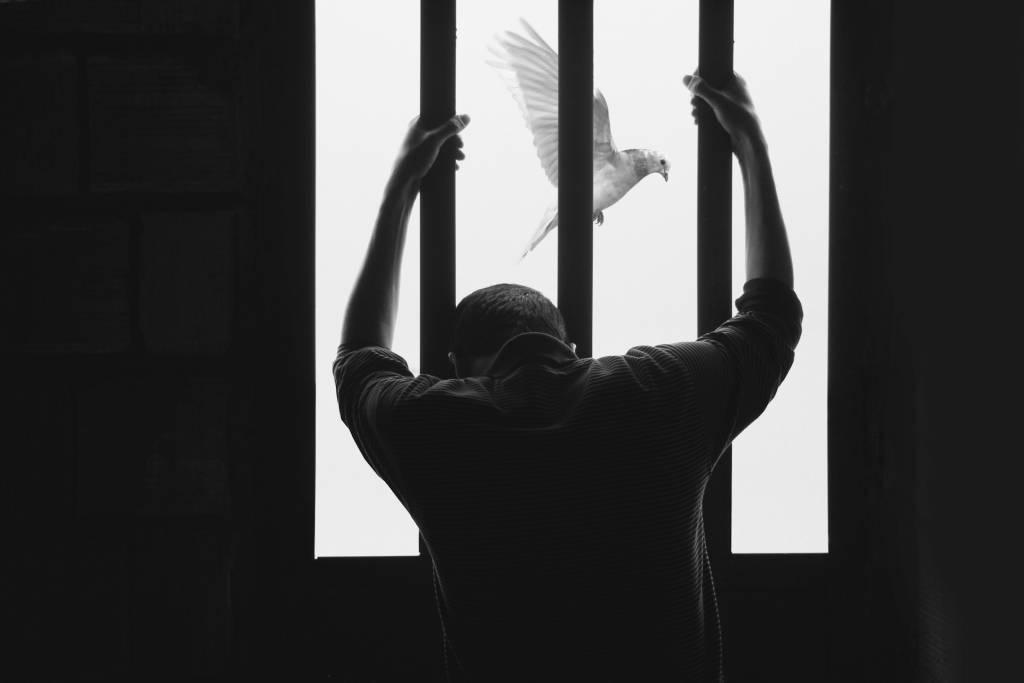
This is why sin is slavery disguised as freedom. The world often says freedom means doing whatever you want. But the Lord says, “Whoever commits sin is a slave of sin” in John 8:34. That is not an insult. It is a diagnosis. Sin promises freedom, but it trains the heart into bondage.
A person who cannot stop lying is not free. A person who cannot stop feeding lust is not free. A person who cannot forgive is not free. A person who must always be right is not free. A person who is ruled by anger, jealousy, fear, appetite, praise, or control is not free. He may be doing what he wants, but his wants have become sick.
True freedom is the ability to love and obey God. This may sound strange at first, especially in a culture that treats obedience as weakness. But obedience to God is not slavery. Obedience to sin is slavery. Obedience to God restores the soul to health. A train is most free when it stays on the track. A fish is most free in water. A human being is most free in communion with God.
This is why the commandments are not random restrictions. God’s commandments show us the path of life. They teach us what spiritual health looks like. They protect us from the things that destroy communion. When the Church teaches about sin, she is not trying to take life away from us. She is trying to show us where life is found.
Sin often begins in the heart before it becomes an outward action. The Lord says in Matthew 15:19 that evil thoughts, murders, adulteries, fornications, thefts, false witness, and blasphemies come from the heart. He is not saying the body is evil. He is teaching us that the inner life matters. What we allow to grow inside us eventually comes out in our actions.
A person does not usually fall into serious sin all at once. First there is a thought. Then attention. Then agreement. Then desire. Then planning. Then action. Afterward, the person may say, “I do not know how this happened.” But often it happened because the sin was welcomed much earlier in the heart.
This is why the Orthodox spiritual life places so much emphasis on watchfulness. Watchfulness means paying attention to the heart. It means noticing what is happening inside us before it becomes action. It means asking, “Where is this thought leading me? Is this desire moving me toward God or away from Him? Am I feeding resentment? Am I protecting pride? Am I making excuses for something I already know is wrong?”
The Church Fathers speak often about the passions. The passions are disordered desires. This does not mean every desire is evil. Hunger is not evil. Rest is not evil. Affection is not evil. The desire to be loved is not evil. The desire for beauty, peace, justice, and belonging is not evil. But when these desires are twisted away from God, they become passions that enslave us.
Food can become gluttony. Rest can become laziness. Affection can become lust. The desire for justice can become bitterness and revenge. The desire for safety can become control. The desire to be respected can become pride. The desire to be loved can become manipulation. The problem is not that human desire exists. The problem is that desire has been wounded by sin.
Orthodoxy does not teach us to hate our humanity. The Church teaches us to have our humanity healed. Christ did not become man to destroy human life, but to restore it. He did not come to make us cold, lifeless, or numb. He came to teach us how to love rightly.
This is why sin must be fought at the level of the heart. If we only deal with outward actions, we will always be late to the battle. The serious struggle begins earlier, with the thoughts we entertain, the fantasies we protect, the anger we rehearse, the envy we feed, the excuses we repeat, and the secret places we refuse to surrender to God.
Saint John Chrysostom says, “To fall is not so terrible as to remain fallen.” This is a very Orthodox way of seeing the struggle. The Church does not deny that we fall. The Church also does not tell us to stay on the ground. When we fall, we get up. When we are wounded, we come to the Physician. When we turn away, we turn back.
Repentance, Confession, and the Fight for Healing
If sin is turning away from God, then repentance means turning back toward Him. Repentance is not merely sadness. It is not only shame. It is not panic after getting caught. It is not self-hatred. Repentance is a real turning of the whole person toward God.
There is a difference between guilt and repentance. Guilt may tell us that something is wrong, but guilt alone does not heal. A person can feel terrible and still refuse to change. A person can cry over sin and then keep protecting the same pattern. Repentance means we bring the sin into the light and begin to live differently by the grace of God.
Repentance includes honesty. We stop calling sin a mistake when it was rebellion. We stop calling resentment “discernment.” We stop calling lust “love.” We stop calling greed “being responsible.” We stop calling pride “having standards.” We stop calling self-will “being true to myself.” Repentance begins when we stop lying to God and to ourselves.
Repentance also includes hope. We do not confess sin because we think God hates us. We confess because we believe Christ is merciful and able to heal. Without hope, honesty becomes despair. Without honesty, hope becomes fantasy. The Orthodox life holds both together. We tell the truth about our sin, and we tell the truth about the mercy of God.
Confession is one of the main ways the Church teaches us to repent. Confession is medicine, not humiliation. We confess our sins not because God needs information. God already knows. We confess because we need healing, honesty, and restoration. Sin grows in secrecy. Confession brings it into the light.
In confession, we stand before Christ with the priest as witness. The priest is not there as a curious observer or a judge waiting to crush us. He is there as a servant of Christ’s mercy and as a spiritual physician. He hears the confession, gives guidance when needed, and prays the prayer of absolution according to the grace given to the Church.
This is very important for catechumens to understand. Confession is not a place to perform. It is not a place to give speeches. It is not a place to blame everyone else. It is not a place to explain why the sin was not really sin. It is a place to be honest before Christ so that the wound can be healed.
A sick person who goes to the doctor but hides the wound is not helped. A man who says, “Everything is fine,” while infection spreads through his body is not being humble or strong. He is being foolish. In the same way, when we hide sin, defend sin, or speak vaguely about sin, we make healing harder.
Confession teaches us to name things plainly. “I lied.” “I was cruel.” “I fed lust.” “I refused to forgive.” “I skipped prayer.” “I judged my neighbor.” “I used people.” “I chose comfort over obedience.” “I protected my pride.” This kind of honesty is painful, but it is clean pain. It is the pain of a wound being treated, not the pain of a wound being ignored.
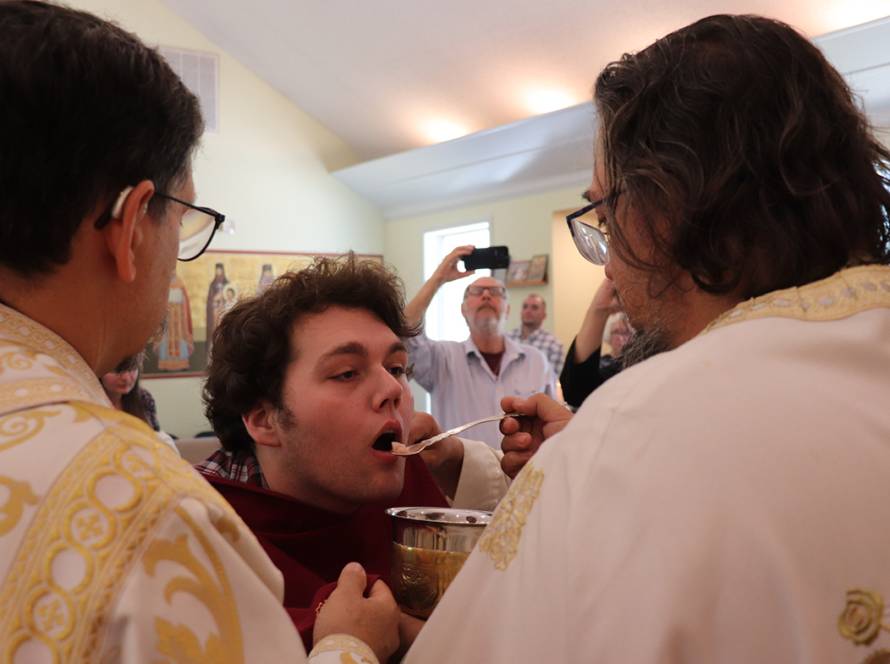
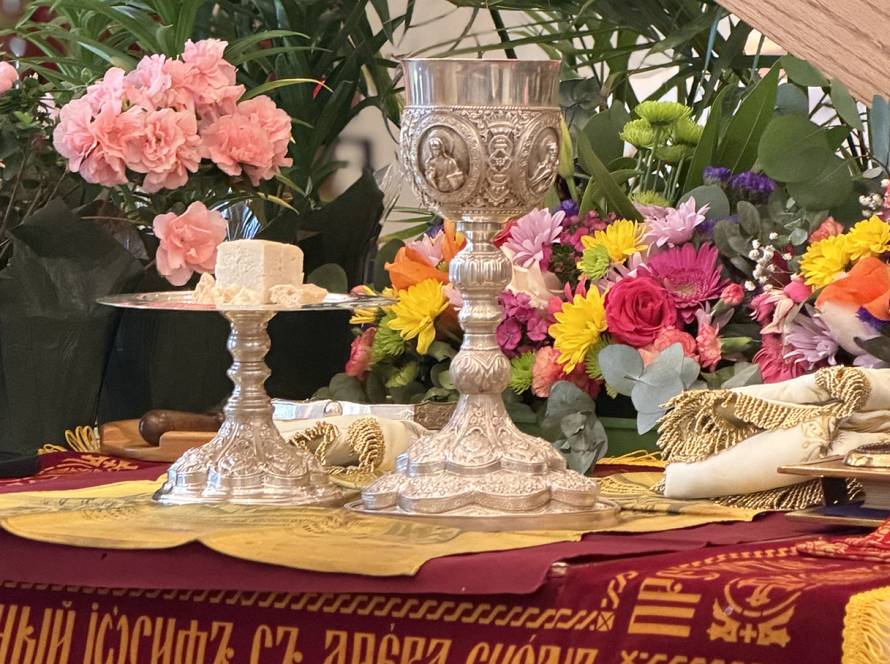
Holy Communion is also part of our healing. The Eucharist is not a religious reward for people who have no sins. It is the Body and Blood of Christ, given for the life of the world. But we must approach with repentance, with fear of God, faith, and love. We do not approach casually, carelessly, or while openly refusing to repent.
Fasting helps heal the soul because it teaches us that every desire does not need to be obeyed. Fasting is not a diet. It is not a way to impress God. It is not a contest. It is a school of freedom. When we fast, we learn to say no to ourselves in small things so we can say yes to God in greater things.
Prayer turns the heart back toward God. Even when prayer feels dry, it matters. A person who prays is at least facing the right direction. Morning and evening prayers, the Jesus Prayer, the Psalms, the prayers before Communion, and the services of the Church all teach the heart to stand before God again.
Scripture also heals the mind. The sinful mind is full of excuses, fantasies, fears, and half-truths. Scripture teaches us to see clearly. It gives us the words of God, the lives of the righteous, the warnings of the prophets, the mercy of Christ, and the hope of the Kingdom. A Christian who never listens to Scripture will be shaped more by the world than by the Church.
Obedience is also part of healing. This is difficult in a culture that treats self-will as sacred. But self-will is one of the deep roots of sin. We need the Church, the Scriptures, the services, the saints, and spiritual guidance because we do not see ourselves clearly. A person trapped in sin often trusts his own thoughts too much.
Obedience does not mean turning off your mind. It does not mean allowing abuse. It does not mean following sinful commands. But it does mean learning humility. It means being willing to be corrected. It means accepting that holiness is not built on doing whatever we want. It means trusting the life of the Church more than our passing moods.
Sin must be fought honestly and practically. We do not overcome sin by vague good intentions. A person who says, “I want to stop sinning,” but keeps walking into the same temptation without any change is not fighting seriously yet. He is like the archer with his back to the target, hoping somehow to hit the bullseye without turning around.
Practical repentance asks real questions. What feeds this sin? What situations make it easier? What excuses do I use? What do I need to cut off? Who needs to know? What do I need to confess? What habit must change? What obedience am I avoiding? What small step can I take today?
If certain conversations always lead to lust, cut them off. If a certain app feeds anger or envy, remove it. If secrecy feeds the sin, expose it in confession. If boredom opens the door to temptation, order your time better. If pride makes you defensive, practice saying, “Forgive me.” If resentment keeps growing, pray for the person and confess the bitterness before it hardens.
The fight against sin often begins long before the outward act. It begins with what we look at, what we imagine, what we rehearse, what we justify, what we refuse to forgive, what we consume, and what we keep hidden. Many sins become strong because we let them live privately in the heart before they ever become visible.
There are two mistakes we must avoid. The first is despair. Despair says, “I am too sinful to be healed.” That is a lie. No sin is stronger than Christ. No wound is beyond His mercy. The Church has seen every kind of sin, and Christ has healed every kind of sinner.
The second mistake is excuse-making. Excuse-making says, “My sin is not really a problem.” This is also a lie. Sin may feel normal because we are used to it, but that does not make it harmless. A sickness ignored is still a sickness. A wound covered up is still a wound. Poison does not become safe because we like the taste.
Despair and excuse-making look very different, but they both keep us from repentance. Despair refuses hope. Excuse-making refuses honesty. The Christian path requires both hope and honesty. We say, “Yes, this is sin. Yes, I need healing. Yes, Christ is merciful. Yes, I will get up and turn back toward God.”
The goal is not moral perfectionism. The Christian life is not about pretending to be sinless. It is not about looking impressive. It is not about becoming proud of how disciplined we are. The goal is holiness. Holiness means belonging to God. It means being healed by grace. It means turning toward God again and again until His life becomes our life.
This is why the Church is the hospital for sinners. The Church is not a museum for people who have already made themselves perfect. The Church is where the wounded come to Christ. The prayers, fasting, confession, Holy Communion, Scripture, spiritual guidance, and worship of the Church are all part of the healing Christ gives us.
A hospital is not always comfortable. Treatment can hurt. Medicine can be bitter. A wound may need to be cleaned. A habit may need to be broken. A lie may need to be exposed. But the purpose is healing. The Church does not wound us by telling the truth about sin. Sin has already wounded us. The Church tells the truth so that Christ can heal the wound.
This is why we should not be shocked that we struggle. We should be sober, but not shocked. We are sinners in need of mercy. The question is not whether we have wounds. The question is whether we will bring them to Christ or continue hiding them. The question is not whether we fall. The question is whether we will remain fallen or get up again.
For someone learning the Orthodox faith, this is essential. Christianity is not only a set of ideas to agree with. It is a life to be lived. We learn to pray. We learn to fast. We learn to confess. We learn to forgive. We learn to come to the services even when we are tired. We learn to obey when pride resists. We learn to struggle honestly, not alone, but within the life of the Church.
Sin is serious because communion with God is serious. But the mercy of God is also serious. Christ did not come for imaginary sinners. He came for real sinners. He came for the proud, the lustful, the angry, the greedy, the addicted, the ashamed, the broken, the confused, and the exhausted. He came for all who will turn around and come home.
Most Commonly Asked Questions
Is sin just breaking God’s rules?
Sin does include disobedience to God’s commandments, but it is more than rule-breaking. In Orthodoxy, sin is also a sickness and wound of the soul. God’s commandments are not random laws. They show us the path of life and communion with Him.
Why does the Orthodox Church call sin a sickness?
The Church calls sin a sickness because sin damages the soul and weakens our ability to love God and others. It darkens the heart, disorders our desires, and makes us slaves to the passions. Christ comes as the Physician who heals and restores us.
What is the difference between guilt and repentance?
Guilt may tell us that something is wrong, but guilt by itself does not heal us. Repentance means turning back to God with honesty, humility, and action. It is not just feeling bad. It is beginning to live differently by the grace of God.
Why do I need confession if God already knows my sins?
God already knows our sins, but we still need to confess them. Confession brings sin into the light and helps us stop hiding from God, ourselves, and the Church. It is not humiliation. It is medicine for the soul.
What should I do next if I know I am struggling with sin?
Start by turning toward God today. Pray honestly, stop making excuses, and bring the struggle to confession. Then take practical steps: avoid the places, habits, conversations, and patterns that feed the sin, and ask for guidance instead of fighting alone.
Pastoral Closing
Sin is serious, but it is not stronger than Christ. The Church does not teach us about sin so we can despair. The Church teaches us about sin so we can be healed. Turn around. Face God again. Begin again with prayer, confession, fasting, worship, and obedience. The goal is not to pretend you are well, but to come honestly to Christ, the Physician of our souls and bodies.
If you’re working through this and need guidance, reach out to Fr. Stephen at frsteve@savannahorthodox.com AND Anthony at anthony@anthonyally.com. CC us both.