Fasting is one of the basic disciplines of Orthodox Christian life. It is not a diet, a punishment, or a way to prove that we are serious. The Orthodox Church fasts because the body and soul belong together, and because Christ calls the whole person into repentance, prayer, self-control, mercy, and love.
When we fast, we learn to tell the body no so the heart can say yes to God. We step back from excess, comfort, habit, and distraction so we can become more attentive to prayer, more honest about our passions, and more generous toward others. Fasting is not about food first. It is about the heart. If fasting does not lead us toward Christ, prayer, humility, mercy, and repentance, then we have missed the point.
Why Orthodox Christians Fast
Orthodox Christians fast because fasting belongs to the life handed down to us by Christ, the Apostles, and the saints. The Lord Himself fasted forty days in the wilderness before beginning His public ministry. He did not fast because He needed dieting. He fasted to reveal the pattern for us. Where Adam failed in a garden surrounded by abundance, Christ prevailed in a desert surrounded by hunger.
From the beginning of Scripture, food and self-control are connected to communion with God. Adam and Eve were surrounded by every good thing, but they were asked to restrain themselves from one tree. That restraint was meant to teach trust, obedience, and life with God. When restraint was abandoned, communion was broken. Fasting helps train us back toward trust and obedience.
Throughout the Old Testament, fasting appears when God’s people seek repentance, clarity, deliverance, and mercy. Moses fasted before receiving the Law. Elijah fasted before encountering the Lord. The Prophet Joel calls the people to return to the Lord with all their heart. The external fast was always meant to express an internal turning.
The Lord Jesus Christ also assumes that His disciples will fast. He says, “When you fast,” not “if you fast” (Matthew 6:16). He also warns us not to fast in order to be seen by others. This is important. Fasting is not performance. It is not religious theater. It is a hidden offering to God.
Fasting exposes what rules us. When we voluntarily restrain our appetite, we begin to see how often we live by impulse. We notice how quickly we reach for comfort when stressed, bored, tired, or frustrated. We discover how much our mood depends on pleasure. Fasting shines a light on that. It is not meant to shame us. It is meant to heal us.
A common misunderstanding is that fasting is about earning God’s love. It is not. God does not love us more because we skip meat or dairy. Fasting does not purchase salvation. Christ saves us. Fasting is one way we cooperate with His grace, offering the body and soul together in repentance.
Another misunderstanding is that fasting is mainly about rules on a calendar. The rules matter because the body matters, but fasting is not simply a grocery list. Fasting without prayer is just hunger. Fasting without repentance is just a diet. Fasting without mercy is just self-improvement. The Church always joins fasting to prayer, worship, confession, almsgiving, forgiveness, and watchfulness.
Saint John Chrysostom reminds us that the fast should not only be kept by the mouth, but also by the eyes, ears, hands, feet, and whole body. In other words, true fasting includes what we say, what we watch, what we listen to, where we go, what we do, and how we treat other people. If we fast from meat but devour our neighbor with anger, we have not yet learned the fast.
Saint John Cassian is especially helpful here. He carried the wisdom of the desert fathers into the wider life of the Church and did not reduce fasting to a legal code of permitted and forbidden foods. He taught that fasting should serve purity of heart, watchfulness over the thoughts, and attentiveness to God. The true battleground is not the plate. It is the heart.
St. John Cassian also warned against extremes. One person may fast very strictly and still be ruled by pride, anger, lust, or distraction. Another may fast more moderately while guarding his thoughts carefully and keeping his attention fixed on Christ. Fasting should weaken the passions, not the body. It should sharpen prayer, not produce exhaustion. It should cultivate humility, not comparison.
The Fasting Seasons and Real Life Practice
In the Orthodox Church, fasting follows the rhythm of the Church year. Most Orthodox Christians fast on Wednesdays and Fridays throughout the year, unless the Church is in a fast-free period. Wednesday is kept in memory of the betrayal of Christ. Friday is kept in memory of His Crucifixion. These weekly fasts teach us that the Cross is not only remembered during Holy Week. It shapes the whole Christian life.
The Church also gives us major fasting seasons. Great Lent prepares us for Holy Week and Pascha. The Nativity Fast prepares us for the birth of Christ. The Apostles’ Fast prepares us around the feast of Saints Peter and Paul. The Dormition Fast prepares us for the feast of the falling asleep of the Theotokos. Each fast has its own tone, but all of them teach repentance, watchfulness, prayer, simplicity, and longing for God.
There are also particular fast days during the year, such as the Exaltation of the Cross, the Beheading of St. John the Baptist, and the eve of Theophany. The details of the fasting calendar can feel overwhelming at first, but the purpose is not confusion. The purpose is to let the Church teach us how to order our time. The Christian year is shaped by the life of Christ and His saints, not by our moods, entertainment, or shopping seasons.
The traditional Orthodox fasting discipline often means abstaining from meat, dairy, eggs, wine or alcohol, and oil, with different levels of strictness depending on the day and season. During Great Lent and Holy Week, the traditional fast is stricter. Shellfish is traditionally permitted. Wine and oil are permitted on Saturdays and Sundays. Fish is permitted on the Feast of the Annunciation and on Palm Sunday.
At the same time, the Church is not a machine. The rule exists for healing. In many places historically, shellfish was inexpensive and common while fish was costly. In our own day, that is often reversed. Certain oils may be unhealthy or financially burdensome for some people. Strict elimination in those cases can become unnecessarily complicated or expensive. The spirit of the fast is simplicity and restraint, not legalism.
For catechumens, fasting should begin with obedience and guidance, not with trying to do everything at once. In this parish, catechumens are not expected to take on the full Orthodox fasting discipline until after they are received into the Church. This is not because fasting is unimportant. It is because fasting is powerful, and powerful things should be received with care.
During the ordinary weeks of the year, while Orthodox Christians are normally expected to fast on Wednesdays and Fridays, catechumens should fast on Fridays. During major fasting seasons, such as Great Lent and the Nativity Fast, catechumens add Wednesdays as well. During Holy Week, catechumens fast the whole week with greater attention and seriousness. This gives the person a real beginning without pretending he has already entered fully into the life of the Church.
This also protects catechumens from turning fasting into a private spiritual project. Orthodoxy is not learned by downloading the strictest fasting chart and attempting heroic spiritual feats alone. The fast belongs to the Church. It is received inside the Church, under guidance, with humility. A beginner should learn obedience before trying to be impressive.
Many Orthodox Christians and catechumens live in circumstances that require discernment. Some are in mixed faith households. Some have demanding jobs. Some have chronic health conditions. Some are caring for children or elderly parents. Some are nursing, pregnant, elderly, or under medical care. Fasting must be applied within real life, not in an imagined monastery.
If you live in a family where not everyone is Orthodox, do not use the fast to create tension at the table. You are not called to police everyone else’s plate. You are called to keep peace and live your faith quietly and faithfully. If full abstinence is not possible, practice moderation. Eat smaller portions. Avoid indulgence. Keep your spirit calm. The goal is not to win an argument. The goal is to grow in humility and love.
When a full fast is not possible because of family obligations, health, work, or other serious reasons, a person can still fast in a real way. One practical path is to fast from meat and practice portion control. St. John Cassian’s teaching is helpful here because he reminds us that restraint is not only about what kind of food we eat, but also about how much we eat and what is happening in the heart. A person who cannot keep the full rule can still eat simply, take less, avoid excess, and keep the spirit of the fast.
Children should be introduced to fasting gradually. They are not miniature monks. Teach them why we fast. Help them connect fasting to Christ, His Cross, His Resurrection, prayer, and mercy. Around age eight to ten, many children can begin practicing in a more intentional way with parental guidance, especially on Fridays and during Holy Week. Nursing mothers should not fast from foods in a way that harms their health or their child.
Seniors and those with medical needs should prioritize health and steadiness. The Church does not ask people to damage the body. The body is a gift from God and is meant for resurrection. If health requires adjustment, keep the spirit of the fast by reducing excess, eating simply, praying more, and increasing mercy.
Parish Resources, Hesychasm, and the Purpose of the Fast
Recommended Parish Resource: A Guide to Fasting for Great Lent
This parish guide gives practical help for keeping the fast during Great Lent without becoming frantic, legalistic, or careless. It explains why fasting is not about food first, but about the heart, and it lays out the traditional Lenten fast in a way that is serious, pastoral, and realistic.
This article is especially helpful for catechumens, families, mixed faith households, seniors, parents, and anyone with health or work concerns. It also gives the parish approach to fasting at St. Mary Magdalene: seriousness without severity, discipline without drama, simplicity without scrupulosity. If you are trying to understand how to actually fast in real life, begin here.
Recommended Parish Resource: Fasting and Hesychasm during Lent
This Bible and adult study connects fasting to hesychasm, the Orthodox way of inner stillness, watchfulness, and prayer of the heart. It teaches that fasting is far more than dietary restraint. It is a sacred tool that helps still the passions, quiet the soul, and prepare the heart for true prayer.
This study is especially useful because it shows why Lent is not only about giving things up. Lent creates space to encounter Christ in silence, humility, repentance, and the hidden chamber of the heart. If you want to understand how fasting is connected to the Jesus Prayer, watchfulness, and inner healing, this is the study to listen to.
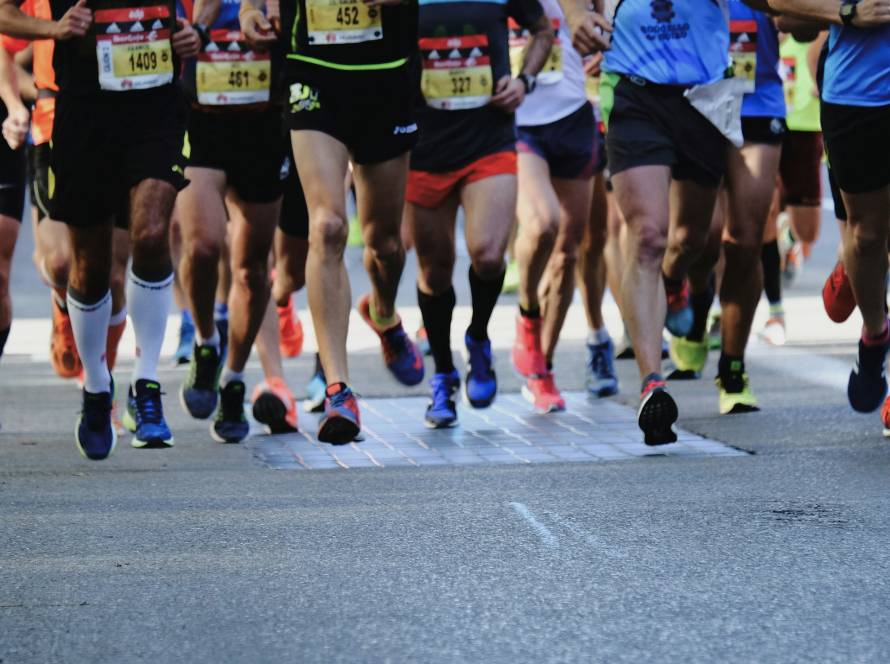
Fasting is part of the ascetic life of the Church. The word ascetic can sound severe, but it simply means training. Just as an athlete trains the body, a Christian trains body and soul for life with God. Saint Paul says, “Everyone who competes for the prize is temperate in all things” (1 Corinthians 9:25). He also says, “I discipline my body and bring it into subjection” (1 Corinthians 9:27). This is not hatred of the body. It is the healing of the body and soul together.
Fasting is deeply connected to hesychasm. Hesychia means inner stillness. It is not laziness or passivity. It is the quieting of the passions so the heart can become attentive to God. Fasting helps this because it interrupts the rule of appetite and creates space for prayer.
Far more than dietary rules, fasting is a sacred tool that helps still the passions and quiet the soul. A person who is constantly feeding every desire will find prayer difficult. A heart filled with noise, indulgence, anger, entertainment, and distraction struggles to hear God. Fasting begins to clear the ground. It does not automatically make us holy, but it helps us become more watchful.
This is why Lent is not only about restraint. It is about creating space to encounter Christ in silence, humility, and the hidden chamber of the heart. When we eat less and eat more simply, when we reduce entertainment, when we guard our eyes and speech, when we pray more steadily, the soul begins to settle. We begin to see what has been moving inside us all along.
The Jesus Prayer belongs naturally with fasting: “Lord Jesus Christ, Son of God, have mercy on me, a sinner.” When hunger, irritation, pride, or distraction rises, we return to the prayer. We do not merely fight thoughts by arguing with them. We turn toward Christ. Fasting and prayer work together. Fasting helps loosen the grip of the passions. Prayer turns the heart toward God.
Great Lent makes this especially clear. If the only change you make during Lent is what is on your plate, you have barely begun. Increase your prayer. Attend the Presanctified Liturgies when possible. Come to the Great Canon. Be present during Holy Week. Give more generously. Serve quietly. Visit someone who is lonely. Confess your sins. Guard your thoughts. Fast not only from certain foods, but from anger, gossip, complaint, and judgment.
The Prophet Isaiah warns against a false fast that ignores mercy. He says the fast God desires includes loosing the bonds of wickedness, sharing bread with the hungry, bringing the poor into one’s house, and covering the naked (Isaiah 58:6-7). In other words, fasting that does not make us more merciful is incomplete. We give up food so that love can grow.
This is why almsgiving belongs with fasting. If we eat less but give nothing, something is missing. The money, time, and attention saved by simplicity should be turned toward love. The hungry should be fed. The poor should be helped. The lonely should be remembered. The parish should be supported. The needy should not merely inspire our thoughts. They should receive our mercy.
Fasting should make us gentler. It should make us more patient in traffic, more attentive to our spouse, more present with our children, more restrained in speech, more aware of our need for forgiveness. It should make us quicker to repent and slower to judge. If fasting makes us harsh, anxious, proud, or constantly irritated, then something needs to be corrected.
There is also a hidden almsgiving in becoming easier to live with. During the fast, do not complain about the food. Do not advertise your effort. Do not correct everyone else’s plate. Do not turn fasting into the main topic at every meal. Christ says, “When you fast, do not be like the hypocrites” (Matthew 6:16). The fast should make us humble and quiet.
Orthodox ascetic life includes guarding the senses. Fasting from meat while constantly consuming gossip, lust, anger, social media, entertainment, and complaint will not heal the heart very much. During fasting seasons, simplify more than food. Put the phone down more often. Read Scripture. Come to the services. Pray the Jesus Prayer. Go to confession. Give alms. Ask forgiveness. The fast is a whole way of returning to God.
There will be struggles. Some people become discouraged because they fail. Others become proud because they succeed. Some become legalistic and anxious. Others become careless and make excuses. The cure is the same: humility, confession, guidance, and beginning again. Fasting is not a scoreboard. It is medicine.
If you break the fast, do not turn one failure into a collapse. Do not say, “I ruined it, so it does not matter now.” Simply begin again at the next meal. If you are unsure what to do, ask. If your home situation is complicated, ask. If you have medical needs, ask. The Church does not expect you to invent the Orthodox life by yourself.
For catechumens, the goal is to learn the spirit of the fast before carrying the full weight of the fast. Learn to obey. Learn to be consistent. Learn to keep peace. Learn to say no to yourself in small ways. Learn to connect fasting with prayer, almsgiving, and watchfulness. Then, when you are received into the Church, the fuller fasting life will not feel like a random burden. It will feel like part of the path you have already begun walking.
Most Commonly Asked Questions
Why do Orthodox Christians fast from certain foods?
Orthodox Christians fast from certain foods because the body and soul are connected. By simplifying what we eat, we learn self-control, repentance, and attention to God. The point is not that certain foods are evil, but that our desires need healing.
Are catechumens expected to keep the full Orthodox fast?
In this parish, catechumens are not expected to keep the full Orthodox fasting discipline until after they are received into the Church. During ordinary weeks, catechumens fast on Fridays. During major fasting seasons like Great Lent and the Nativity Fast, they add Wednesdays, and during Holy Week they fast the whole week.
What if fasting causes problems in my family?
Keep peace in the home as much as possible. If you are the only catechumen or the only Orthodox Christian in your family, do not use fasting to create tension at the table. Fast as you are able, and when needed, fast from meat, practice portion control, eat simply, and speak with your priest for guidance.
Is fasting just about food?
No. Food is the starting point, but the fast also includes prayer, repentance, almsgiving, self-control, forgiveness, watchfulness, and guarding the heart. A true fast should make us more humble, more merciful, and more attentive to God.
How do I start?
Start with the rule given to you, not the strictest thing you find online. Keep Fridays, add Wednesdays during the major fasts, fast during Holy Week, and connect the fast to prayer and almsgiving. Read A Guide to Fasting for Great Lent for practical guidance and listen to Fasting and Hesychasm during Lent to understand the deeper spiritual purpose.
A Pastoral Closing
Fasting is not meant to crush you. It is meant to train you, heal you, and teach you to love God more than comfort. Begin with obedience, keep peace in your home, give alms, pray more, and do not be surprised when the fast reveals your weakness. That weakness is not the end of the story. It is the place where Christ begins to heal.
If you’re working through this and need guidance, reach out to Fr. Stephen at frsteve@savannahorthodox.com AND Anthony at anthony@anthonyally.com. CC us both.