Star Wars has lasted for generations because it tells a simple story in a powerful way. It is about good and evil, temptation and courage, failure and redemption, and the danger of giving ourselves over to fear, anger, pride, and desire. Even people who do not think of Star Wars as religious often recognize that it is dealing with deeply spiritual questions.
The story gives us a memorable picture of how the soul can be pulled in the wrong direction. In the films, the dark side grows through anger, hatred, vengeance, ambition, greed, fear, and disordered desire. These are not just movie emotions. In Orthodox Christianity, we would call many of these the passions, which are movements of the soul that can enslave us and push us away from God.
This might be the easiest fit for this series. Star Wars is already full of moral struggle, temptation, sacrifice, spiritual warfare, redemption, and the hope that even someone who has fallen very far can still turn back. It is not Orthodox Christianity, but it gives us a familiar story through which we can talk about truths the Church has taught for centuries.
The Dark Side and the Orthodox Teaching on the Passions
One of the strongest spiritual themes in Star Wars is the danger of letting strong emotions rule the soul. Fear leads to anger, anger leads to hatred, and hatred leads to destruction. That basic movement is not hard for Christians to understand.
The Orthodox Church teaches that the passions are not simply emotions. Emotions are part of being human, and they are not evil by themselves. The passions are what happen when our desires, fears, and impulses become disordered and begin to control us.
Anger can become cruelty. Desire can become lust. Courage can become pride. A good longing for justice can become revenge. This is why the Fathers of the Church speak so often about watchfulness, repentance, and the healing of the heart.
Orthodox Christians believe that the goal of the spiritual life is not to become cold, numb, or emotionless. The goal is to become free. A healed person is not someone who feels nothing, but someone whose heart is no longer dragged around by every impulse, insult, fear, or temptation.
Freedom From the Passions Is Not Apathy
The Fathers sometimes use the word apatheia to describe this freedom. That word may sound like apathy, but it means something very different. It does not mean laziness, indifference, or not caring.
Apatheia means inner stillness, sobriety, and peace. It is the condition of a heart that is no longer ruled by sinful impulses. It is the calm strength of a person who can love without being possessed by pride, fear, or self-will.
There is an old story about a spiritual father who told his disciple to go to a cemetery and insult the dead. When the disciple returned, the elder asked how the dead responded. They did not respond at all.
Then the elder told him to go back and praise the dead. Again, they gave no response. The lesson was not that Christians should be lifeless, but that we should learn not to be controlled by praise or insult. A peaceful soul does not rise and fall with every word spoken by others.
This kind of passionlessness is not weakness. It is spiritual strength. It allows a person to love more truly because he is not always defending himself, feeding his ego, or being driven by wounded pride.
Why Anakin’s fall feels spiritually familiar
Anakin Skywalker’s fall into Darth Vader is one of the clearest examples of the danger of the passions in modern storytelling. He is not presented as evil from the beginning. He is gifted, intense, loyal, brave, and capable of love, but his loves become mixed with fear, control, pride, and desperation.
His fear of loss becomes a doorway to darkness. His desire to protect becomes a desire to possess. His grief becomes rage. His power grows, but his soul becomes smaller.
That is what sin does. It promises freedom, but brings slavery. It promises power, but leaves the person less human. It promises control, but makes the person controlled by the very thing he thought he could master.
The Orthodox Church teaches that temptation often works this way. It rarely presents itself as pure evil at first. It takes something good, like love, justice, protection, or strength, and bends it away from God.
The passions are not outside us only
Star Wars often speaks as if the dark side is a power that tempts and corrupts. That can be a useful image. Christians also believe in spiritual warfare and demonic temptation. But Orthodoxy is careful not to place all blame outside the human heart.
Temptation may come from the outside, but it finds something inside us that can respond to it. The Fathers often teach that the spiritual battle begins with thoughts, sometimes called logismoi. A thought enters the mind, and then we either reject it, entertain it, welcome it, or act on it.
This is why watchfulness is so important in Orthodox Christianity. We are not called to panic over every thought. We are called to notice what is moving in the heart and bring it before God before it takes root.
Star Wars gives us dramatic scenes of this inner struggle. A character stands at a crossroads. He can be humble or proud. He can forgive or seek revenge. He can surrender his will to what is good or grasp at power for himself.
Adam, Eve, and the first fall into passion
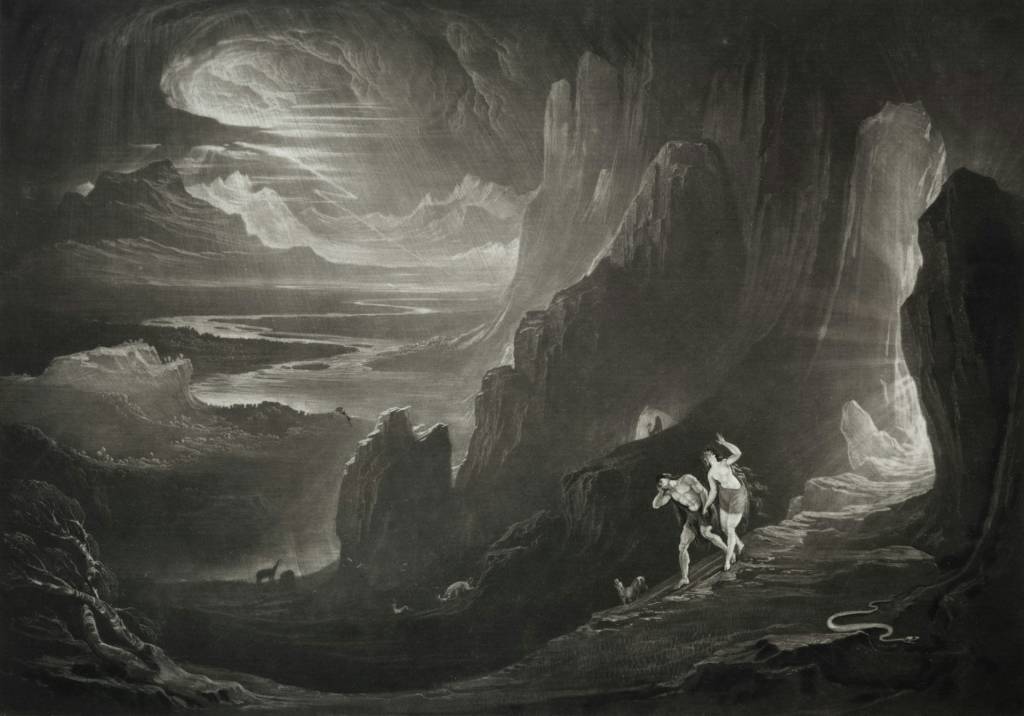
The story of Anakin’s fall also reminds Christians of the fall of Adam and Eve. In Genesis, Adam and Eve were created for communion with God. They were not created to be slaves of appetite, fear, or self-will.
When the serpent tempted them, he did not begin with open hatred of God. He began with distortion, suspicion, and desire. He made disobedience seem like wisdom. He made grasping seem like freedom.
Adam and Eve submitted to the temptation, and the human heart became wounded. Instead of peace, there was fear. Instead of communion, there was hiding. Instead of self-mastery, there was slavery to corruption and death.
Orthodox Christians believe that salvation is not merely legal forgiveness. It is healing. God restores the human person so that the heart can be purified, illumined, and united to Him by grace.
The Jedi and the Orthodox struggle for self-restraint
There are obvious similarities between the Jedi and religious ascetics. They practice discipline, restraint, training, and detachment. They warn against being ruled by anger, fear, and desire. They are something like a fictional order of mystical warriors.
Because of this, some parts of Star Wars can sound almost monastic. The Jedi know that an undisciplined heart is dangerous. They understand that power without purification can destroy the person who holds it.
Orthodox Christianity also teaches self-restraint, but for a different reason and toward a different goal. We do not fast, pray, confess, and struggle against the passions in order to control a cosmic energy. We do these things in order to repent, be healed, and bring our will into harmony with the personal God.
This difference matters. The Christian goal is not escape from personhood, and it is not nothingness. It is communion. We are not trying to dissolve into an impersonal force, but to be united to God while becoming truly ourselves.
The Force and the limits of Star Wars spirituality
Here is where Star Wars falls short of the fullness of the Christian faith. The Force is not God. It is not personal in the way Christians understand God to be personal. It does not reveal the Holy Trinity, the Incarnation, the Cross, or the Resurrection.
In Star Wars, spiritual life often means learning how to sense, use, or align with the Force. In Orthodox Christianity, the spiritual life is not about controlling divine power. It is about repentance, humility, worship, and union with God through His grace.
This is why Orthodox Christians must be careful. Star Wars can give helpful images, but it cannot give us theology. It can show the danger of anger and pride, but it cannot teach us the fullness of prayer, sacramental life, or salvation in Jesus Christ.
Even when saints do extraordinary things, they are not manipulating God. A saint asks, receives, obeys, and gives thanks. The power belongs to God, not to the saint as a possession.
St. Seraphim and the light that is not controlled
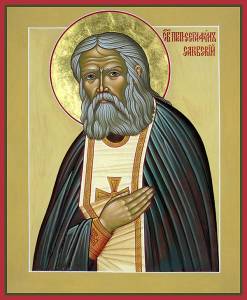
St. Seraphim of Sarov gives us a very different picture of spiritual power. In his famous conversation with Nicholas Motovilov, St. Seraphim spoke about the acquisition of the Holy Spirit. Motovilov was allowed to behold something of the divine light, not because Seraphim controlled God, but because God revealed His grace.
This is very different from the Jedi idea of mastering a force. The saint does not dominate spiritual reality. The saint becomes humble, purified, and open to God’s will.
The Orthodox Church teaches that God’s divine energies are His real presence and activity. We do not control those energies like a tool. We participate in them by grace as we are healed, purified, and united to God.
That is why humility is at the center of Orthodox spirituality. Power without humility becomes destruction. Knowledge without repentance becomes pride. Spiritual experience without obedience becomes delusion.
Good and evil in Star Wars
Star Wars is built around a great conflict between good and evil. The Jedi and the Sith are not morally equal sides with different preferences. The dark side corrupts, enslaves, and destroys. It feeds on hatred, domination, and fear.
This is one reason the story has such staying power. People know, deep down, that good and evil are real. We may argue about details, but we recognize betrayal, cruelty, tyranny, sacrifice, mercy, and courage when we see them.
Christianity also teaches that good and evil are real, but it does not teach that evil is equal to God. Evil is not an eternal opposite power standing beside Him. Evil is a distortion, a corruption, a turning away from the good.
This means Christianity is not dualistic in the same way Star Wars can sometimes appear to be. God does not need evil in order to be balanced. The goal of the Christian life is not balance between light and darkness, but deliverance from darkness and union with the Light.
The problem with “balance”
The idea of bringing balance to the Force is central to Star Wars, but Christians need to think carefully about that word. Balance can mean order, healing, and restoration. In that sense, it can point toward something true.
But balance should not mean an equal mixture of good and evil. No Christian should want a balanced amount of holiness and sin, mercy and cruelty, truth and falsehood. The healing of the soul is not half light and half darkness.
The Orthodox Church teaches that the human person is healed by turning toward God. Repentance is not balance with sin. It is a change of direction. It is the return of the prodigal son to the Father’s house.
So when Christians watch Star Wars, they can appreciate the desire for restored order while also recognizing the limits of the story’s spiritual language. The Christian hope is not cosmic balance. It is transfiguration, resurrection, and communion with God.
The Chosen One and the longing for a savior
Anakin is presented as a chosen one, a figure expected to bring balance. This carries clear messianic overtones, even though it is not Christian in any full sense. Human beings are always longing for someone who can set things right.
That longing is one of the most important parts of the series. The galaxy is broken. The Republic is corrupt. The innocent suffer. The powerful exploit the weak. People want deliverance.
In Christian terms, this longing finds its fulfillment only in Jesus Christ. He is not merely a powerful figure who defeats enemies. He conquers sin and death by humility, self-offering, and resurrection.
Anakin’s story can echo the longing for a savior, but it also shows the danger of placing ultimate hope in a fallen man. The chosen one himself becomes corrupted. The one expected to bring healing becomes an agent of destruction.
Redemption and the mercy shown to Darth Vader
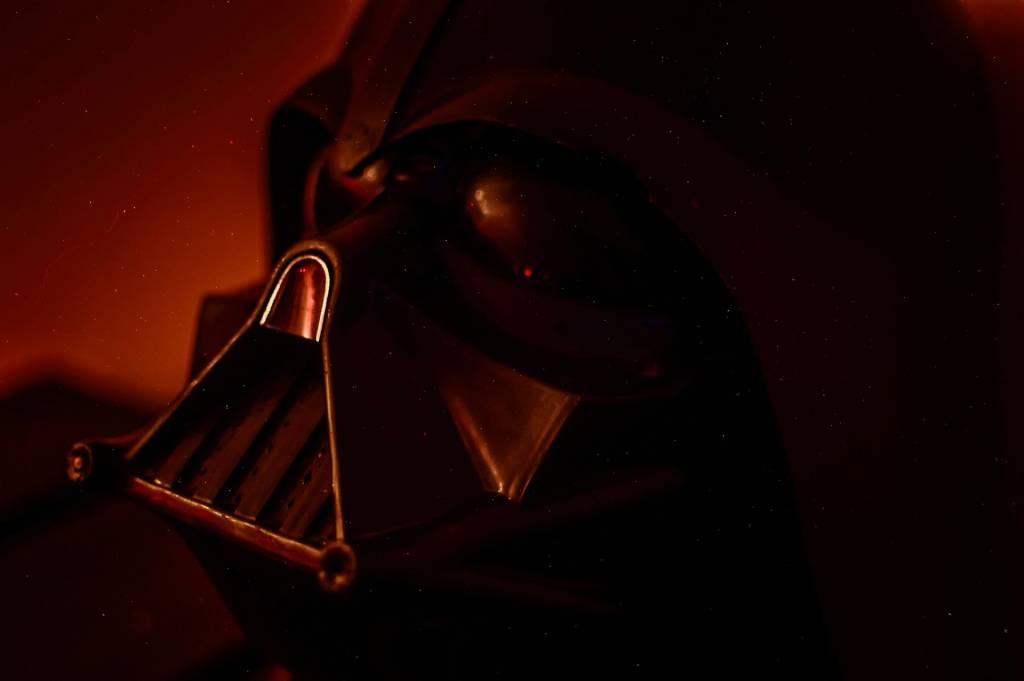
The redemption of Darth Vader is one of the most moving parts of Star Wars. After terrible evil, violence, betrayal, and destruction, he is not treated as beyond all hope. At the end, love reaches him, and he turns.
This is deeply powerful because it reflects a Christian truth: no one should despair of repentance. A person may become terribly lost, but the door of return is not closed while life remains. The thief on the cross is remembered by the Church because even at the end, he turned toward mercy.
Orthodox Christians believe that repentance is not just feeling bad about sin. It is a return to God. It is a turning of the whole person, a cry for mercy, and the beginning of healing.
Vader’s redemption is not a full picture of Christian repentance, but it is a strong image of hope. It reminds us that evil does not have to be the final word. A fallen person can turn, even after years of darkness.
Luke’s mercy as an icon of hope
Luke Skywalker’s refusal to give up on his father is one of the moral centers of the original trilogy. He sees the evil clearly, but he also refuses to believe that evil is the whole truth about his father. He hopes for repentance where others see only a monster.
This does not mean Luke excuses evil. He does not pretend that Darth Vader has done no harm. Mercy is not denial. Mercy sees the wound and still hopes for healing.
That distinction is important for Christians. Forgiveness does not mean calling evil good. It means refusing to let evil define the whole future. It means entrusting judgment to God while seeking repentance, healing, and restoration.
In this way, Luke’s love points toward something deeply Christian. He does not defeat darkness by becoming darker. He refuses hatred, and that refusal becomes part of his victory.
Order 66 and the slaughter of the innocent
Many viewers have noticed that Order 66 has echoes of biblical violence against the innocent. It is not a direct retelling of Herod’s massacre, but the emotional parallel is clear. The powerful ruler seeks control, and the innocent are destroyed.
Stories like this remind us that evil often fears what is small, young, and vulnerable. Herod feared the Child. Pharaoh feared the Hebrew infants. The Empire fears any future it cannot control.
Orthodox Christians remember that the world’s violence often begins with fear and the desire for domination. When rulers, systems, or individuals seek total control, the innocent suffer first. Star Wars gives that truth a tragic and memorable form.
But again, the Christian answer is deeper than resistance alone. The Church proclaims that God’s victory comes through humility, martyrdom, faithfulness, and resurrection. The innocent are not forgotten by God.
What Star Wars gets right about spiritual danger
Star Wars gets something very right about the danger of the unhealed heart. A person can begin with noble desires and still be ruined by pride. A person can want to save others and still become cruel. A person can seek peace and still choose violence when fear takes over.
This is why Orthodox spirituality is so realistic. It does not simply tell us to follow our hearts. The heart must be healed. The heart can deceive us when it is darkened by sin.
Prayer, fasting, confession, almsgiving, and obedience are not religious hobbies. They are medicines. They help us become aware of what is ruling us and teach us to offer our whole life to God.
When we watch Anakin fall, we should not only say, “What a tragic character.” We should also ask, “Where do fear, anger, pride, and control live in me?” That is where cultural reflection can become spiritually useful.
Where Star Wars remains incomplete
Star Wars gives us great images of temptation, self-discipline, sacrifice, and redemption. But it remains incomplete because it does not lead us into the worship of the true God. It gives symbols, not sacraments. It gives moral drama, not the Church.
The Jedi path may look spiritual, but it cannot replace the life of Orthodox Christianity. The Force cannot forgive sins. The Force cannot raise the dead. The Force cannot unite us to God in the Eucharist.
This is not an insult to Star Wars. It is simply the difference between a powerful story and the fullness of the faith. A story can awaken longing, but it cannot fulfill that longing by itself.
That is why the “Almost Christian” approach matters. We can appreciate the fragments of truth without pretending the fragment is the whole. We can enjoy the story while letting it point us beyond itself.
From a galaxy far away to the life of the Church
The real battle against the passions is not fought with lightsabers. It is fought in the heart, in the home, in the parish, in confession, in prayer, and in the daily choice to repent. Most of our battles are hidden, but they are no less real.
Anger, envy, lust, greed, pride, despair, and resentment do not need starships to destroy a soul. They only need permission. If we welcome them, feed them, and obey them, they will shape us.
But by the grace of God, the heart can be healed. The Orthodox Christian life gives us a path of repentance, not self-invention. It teaches us to stop being ruled by the passions and to become more fully human in communion with God.
Star Wars can remind us that choices matter. It can remind us that no one falls all at once and no one is saved by pride. It can even remind us not to despair over those who seem lost.
A pastoral invitation
If Star Wars has always moved you, perhaps part of the reason is that it touches real spiritual questions. What rules the heart? Can the fallen be redeemed? Is evil stronger than love? Can a person resist darkness without becoming dark?
Orthodox Christianity answers these questions not with fantasy, but with the life of the Church. The Orthodox Church teaches that the passions can be healed, the sinner can repent, the broken can be restored, and the human person can be united to God by grace.
So enjoy the story, but do not stop with the story. Let it become a doorway to deeper reflection. Let the battle on the screen remind you of the battle in the heart, and let that battle lead you to prayer, repentance, and the mercy of God.
If you have a song, film, book, or story you would like me to cover in the “Almost Christian” series, you can send your suggestion to me, Fr. Stephen at frsteve@savannahorthodox.com.
Frequently Asked Questions About Star Wars and Christian Themes
Is Star Wars Christian?
Star Wars is not Christian in any full or direct sense, and it should not be treated as Orthodox teaching. Still, it contains themes Christians can recognize, such as temptation, sacrifice, redemption, mercy, and the struggle against evil.
What does Star Wars teach about the passions?
Star Wars shows how fear, anger, hatred, ambition, and desire can corrupt a person when they are not healed or restrained. Orthodox Christianity calls these disordered movements of the soul the passions, and teaches that they must be healed through repentance and grace.
Is the Force like God?
No, the Force is not like the Christian understanding of God. Orthodox Christians believe in the personal God, the Holy Trinity, not an impersonal energy that can be controlled or mastered.
Does Darth Vader’s redemption reflect Christian repentance?
Darth Vader’s return is not a complete picture of Christian repentance, but it does reflect the hope that even the deeply fallen are not beyond mercy. Christianity teaches that repentance is a real return to God, not just a change of feeling.
Can Orthodox Christians watch Star Wars?
Orthodox Christians may watch Star Wars with discernment, gratitude for what is good, and honesty about what is incomplete. Like any story, it should be received carefully and never treated as a replacement for the faith of the Church.