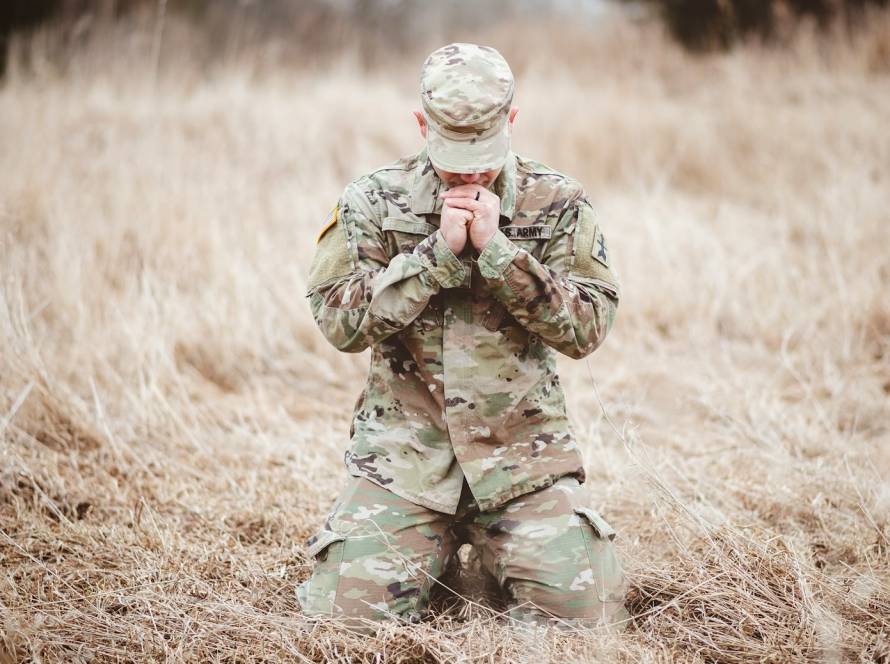
Entering catechism is not simply starting a class. It is the beginning of a new way of life. You are not here just to learn information about the Orthodox Church. You are here to be formed by it, to step into the life of Christ as it has been lived, taught, and handed down from the Apostles until today.
The Orthodox Church teaches that faith is not an idea but a life. It is something you receive, practice, struggle with, and grow into over time. Catechism exists to guide you through that process, patiently and steadily, so that what you learn becomes what you live.
What Catechism Is and What It Is Not
Catechism is the Church teaching you how to become Orthodox. It includes learning the faith, but it goes much deeper than that. It is learning how to pray, how to worship, how to repent, and how to live in communion with God and His Church.
Catechism is not a test you pass or fail. No one is grading you. You are not expected to have everything figured out. You are learning how to deal with what is in your heart. That means asking questions, being honest, and allowing God to work over time.
One common mistake is thinking catechism is only for learning facts. Facts matter. Doctrine matters. The Creed matters. Scripture matters. But the goal is not merely to know Orthodox answers. The goal is to become an Orthodox Christian in heart, mind, body, and life.
St. John Chrysostom reminds us that the Church is a hospital for the soul. You are not here to prove yourself. You are here to be healed. That healing takes time, humility, confession, worship, prayer, and obedience.
This is why the Church does not rush people into baptism or chrismation. You will be received in due season, with discernment, because what is being formed in you is not temporary. It is meant to last for eternity.
Learning Through the Life of the Church
You will learn through classes, questions, and parish life. All three matter. If you only attend classes but stay distant from the parish, you will miss something important. If you only attend services but never ask questions, confusion can remain. If you only read books or watch videos, you may gain information without formation.
Catechism classes give you a foundation in what the Orthodox Church believes and teaches. Listen carefully. Take notes if it helps. Ask questions freely. You are not expected to know everything, and you should not pretend that you do. A humble question is much better than a confident misunderstanding.
Learning also happens in conversation. Speak with the priest. Talk with your catechist. Ask about prayer, fasting, confession, the saints, icons, the Theotokos, the sacraments, and anything else that seems new or confusing. Orthodoxy is not learned by hiding your questions. It is learned by bringing them into the light.
At the same time, catechumens should do their best not to post theological opinions or enter into theological discussions or debates on social media, discussion groups, Reddit, 4chan, or similar places online. Online theological debates often lead to confusion, pride, and scandal. They also tempt people to speak before they have been formed. If you want to discuss Orthodoxy with someone, invite them to Coffee Chat or speak with them at Coffee Hour after Liturgy. Do it in person, in a friendly setting, where questions can be answered with patience and where everyone can learn.
This does not mean you should hide your faith or be ashamed of becoming Orthodox. It means you should learn to speak with humility. There is a big difference between inviting someone to church and acting like an online apologist before you have been received into the Church.
Parish life is also part of catechism. Stay after services. Come to meals. Help when there is work to do. Learn people’s names. Watch how faithful Orthodox Christians pray, serve, forgive, raise children, care for the sick, honor the departed, and celebrate the feasts. The Church is not an idea you admire from the outside. It is a family you enter.
Scripture says, “Taste and see that the Lord is good” (Psalm 34:8). You cannot understand Orthodoxy only from a distance. You have to taste it. You have to stand in the services, hear the hymns, smell the incense, make the sign of the Cross, bow your head, and allow the life of the Church to work on you.
Worship, Prayer, and the Beginning of Orthodox Life
Your main classroom is the worship of the Church. Everything begins and continues there. The Orthodox Church does not treat worship as entertainment, a lecture, or a weekly religious event. Worship is our entrance into the life of Christ and His Kingdom.
Make every effort to be present for Saturday evening Vespers and Sunday Divine Liturgy. Vespers prepares the heart. It begins the Lord’s Day with prayer, psalms, hymns, and repentance. The Divine Liturgy is the center of Orthodox Christian life, where the Church gathers around Christ, hears the Scriptures, offers thanksgiving, and receives the Holy Mysteries.
Feast days also matter. The Church year teaches us the Gospel by walking us through the life of Christ, the Theotokos, and the saints. The feasts are not decorative traditions. They form our sense of time. They teach us to remember what God has done and to live inside that remembrance.
As you begin, do not reduce Orthodoxy to Sunday morning alone. Come to Vespers. Come to feast days when you can. Come during Great Lent and Holy Week. The more you enter the worship of the Church, the more the faith will make sense.
Alongside the services, you need a personal prayer rule. This should be established with the priest, not invented on your own. Many people either do nothing or try to do too much. Both can become a problem. A simple rule done faithfully is better than an impressive rule abandoned after one week.
A beginning prayer rule may include morning prayers, evening prayers, the Trisagion prayers, the Jesus Prayer, Scripture reading, and prayer for others. The exact rule should fit where you are, not where you imagine you should be. The goal is steady faithfulness.
Christ teaches, “When you pray, go into your room, and when you have shut your door, pray to your Father who is in the secret place” (Matthew 6:6). Prayer is where the Orthodox life becomes personal. Not private in the sense of being separated from the Church, but personal because you begin speaking to God and standing before Him each day.
You will also begin fasting. Fasting is not a diet and it is not a punishment. It is training. It teaches the body and the soul to stop being ruled by every desire. You may begin slowly, with guidance, and grow into the fasting life of the Church over time.
You will begin almsgiving. This means caring for the poor, helping those in need, and learning to give without needing attention for it. Our Lord is direct about this in Matthew 25. What we do for the hungry, the stranger, the sick, and the imprisoned, we do for Him.
You will begin stewardship. Offer back to God from what He has given you. This includes money, but it also includes time, service, attention, and responsibility in the parish. Christ says, “Where your treasure is, there your heart will be also” (Matthew 6:21). Stewardship teaches the heart where it belongs.
You will learn patience and obedience. These are not popular words, but they are necessary Christian virtues. Patience means you do not demand instant results from God, the Church, or yourself. Obedience means you are willing to be taught, corrected, guided, and formed.
You will also learn to forgive. No one enters the Church without needing mercy, and no one stays in the Church without learning to give mercy. Catechism begins preparing you for a life of repentance, confession, reconciliation, and love.
This is the beginning of Orthodox life. It is not dramatic every day. Much of it is simple and steady: pray, come to church, fast as you are able, give, serve, repent, forgive, ask questions, and keep going.
Most Commonly Asked Questions
How long does catechism take?
Catechism usually takes several months, but there is no single timeline for every person. The priest will help discern when you are ready to be received. The goal is not to rush, but to build a stable foundation.
Do I need to understand everything before becoming Orthodox?
No. You do not need to master every doctrine before baptism or chrismation. You do need humility, faith, repentance, and a willingness to keep learning. The Orthodox life continues long after catechism ends.
Can I talk about Orthodoxy online?
You can invite people to church, share service times, or point them to good resources. But catechumens should avoid theological debates and posting strong theological opinions online. If someone wants to discuss Orthodoxy seriously, invite them to Coffee Chat or Coffee Hour after Liturgy.
What should I do next?
Start simply. Attend Vespers and Divine Liturgy, participate in catechism, ask questions, and speak with the priest about a prayer rule. Do not try to become Orthodox all at once. Begin faithfully, and keep going.
What if I struggle with prayer, fasting, or consistency?
Then you are normal. The answer is not to quit or pretend. Speak honestly with the priest, adjust what needs to be adjusted, and begin again. Orthodox life is learned through repentance and perseverance.
Catechism is the doorway into a whole life in Christ. Take it seriously, but do not be anxious. The Church will guide you, the parish will help you, and God will work in you as you learn to pray, worship, repent, serve, and live as an Orthodox Christian.
If you’re working through this and need guidance, reach out to Fr. Stephen at frsteve@savannahorthodox.com or Anthony at anthony@anthonyally.com.