Worship, Healing, and the Kingdom of God
Christ did not found the Church because humanity needed a religious structure. He founded the Church because God loves humanity and desires communion with us.
From the beginning, God’s will has been to share His life with His creation. When that communion was broken through sin, God did not abandon His purpose. He entered into our condition, healed it from within, and restored us to Himself. The Church exists because Christ remains present in the world, continuing this work of communion and healing through the Holy Spirit.
This restored communion is what the Orthodox Church calls theosis.
Theosis is not a later theological theory. It is the very reason for the Incarnation, the Cross, the Resurrection, and Pentecost. God becomes man so that human beings may live in union with God. Salvation is not merely forgiveness. It is participation in divine life.
St. Athanasius states this in his famous work, “On the Incarnation” with striking clarity that “God became man so that man might become god.”
This does not mean that human beings become divine by nature. It means that by grace, we are united to God, healed of corruption, and restored to what we were created to be.
In Orthodoxy, the Kingdom of God Is Communion, Not an Idea.
When Christ speaks of the Kingdom of God, He does not describe a distant future or an abstract reward. He speaks of something that draws near, something that is entered, something that is among us. The Kingdom is the life of God made accessible to humanity. Orthodox worship is not a reminder about the Kingdom. It is an entrance into it.
This is why Orthodox worship does not revolve around explanation, entertainment, or emotional stimulation. It places the faithful within a reality that already exists. Heaven and earth meet. The saints and angels worship with us. Christ offers Himself to His people. The Divine Liturgy is not symbolic reenactment or folks on a power trip who want to LARP. It is real participation in the heavenly life of God. We do not imagine the Kingdom. We step into it. We experience God’s Kingdom of Earth. Who wouldn’t want to be part of that?
Worship Heals the Human Person – The WHOLE HUMAN PERSON
Orthodoxy understands sin primarily as sickness rather than legal guilt. Humanity is not only guilty before God. Humanity is wounded, enslaved to death, and distorted in desire. Christ comes as the Great Physician. Because sin is sickness, salvation must be healing.
This is why worship is central in Orthodox life. Worship is not an accessory to faith. It is the environment in which healing takes place. Every prayer, hymn, fast, and sacrament is ordered toward restoring the human heart. So what does that look like or mean in Orthodoxy? Simple:
- Prayer heals distraction.
- Fasting heals disordered desire.
- Confession heals broken communion.
- The Eucharist heals by uniting us to Christ Himself.
Healing is not instant. Orthodoxy never promises quick spiritual results. It promises faithful medicine administered over time. The goal is not spiritual excitement, but transformation. Theosis is the Meaning of Salvation. Christ did not found the Church merely to forgive sins or to secure legal acquittal. He founded the Church so that human beings might live in communion with God. Salvation, therefore, is not simply being declared righteous. It is becoming truly alive.
This is why Orthodoxy understands salvation as an ongoing reality rather than a single moment. Baptism begins the life of communion. Chrismation seals it. The Eucharist sustains it. Repentance restores it. Prayer deepens it. Everything in Orthodox life flows from this and returns to it. As the early Church proclaimed: “The glory of God is a living man, and the life of man is the vision of God.” – St. Irenaeus of Lyons
Theosis is not about escaping the world. It is about being healed within it and united to God through Christ.
Why Worship Must Be Received, Not Invented
If worship heals, then worship must be trustworthy. A sick person does not invent his own medicine. He receives it. Orthodox worship is received, not designed. It has been handed down, preserved, and guarded because it works. It produces saints. It forms humility. It reorders desire. It draws the heart away from self and toward God. When worship is reshaped to achieve goals, even good ones, it inevitably begins to reflect human priorities rather than divine will. Orthodoxy refuses this temptation. Worship does not belong to us. It belongs to God.
This is why Orthodox worship does not change based on trends, technology, or cultural pressure. We have no concept of manmade traditions. Everything is centered on the Kingdom of God here present and actualized in the Divine services. In other words, the human heart has not changed, the sickness remains the same, the medicine remains the same, and it is healed through the receiving of the Eucharist and the heavenly worship of God in His Church – The Orthodox Church.
Protestantism and the Loss of Healing Worship; Rather A Worship Shaped by Human Will
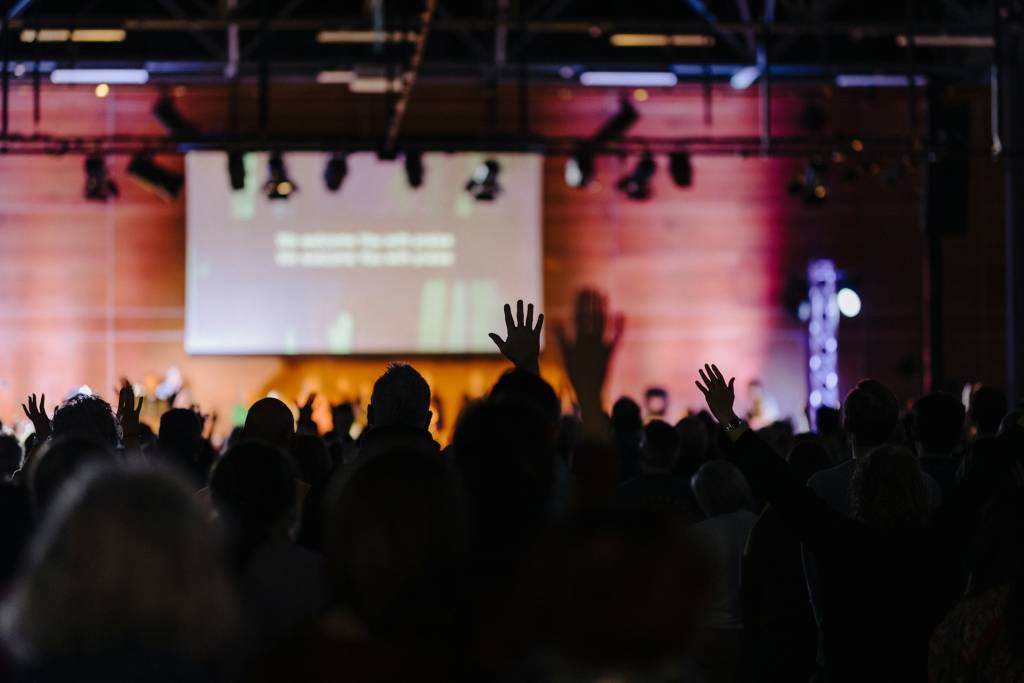
Protestantism begins with a sincere desire to be faithful to Christ, but it makes a foundational move that reshapes everything that follows. It removes worship and doctrine from the living authority of the Church and places them into the hands of individual interpretation and local decision making. Once this happens, worship can no longer be something received. It must be constructed.
Because there is no shared sacramental or liturgical inheritance that binds Protestants together, worship becomes flexible by necessity. That flexibility then becomes intentional. Services are designed around goals: attracting people, keeping attention, generating emotion, reinforcing identity, or advancing a particular theological or cultural emphasis. Over time, worship stops asking how God has revealed He desires to be worshiped and begins asking what will be effective, relevant, or meaningful to people. Even when intentions are sincere, the center subtly shifts. God’s will is interpreted through human priorities rather than submitted to in humility.
This shift has deep theological consequences. Salvation in Protestantism is almost always framed in legal terms. Humanity is guilty. Christ satisfies divine justice. Faith secures acquittal. Once that verdict is pronounced, salvation is treated as complete. The ongoing healing of the human person becomes secondary or optional. As a result, theosis largely disappears. Union with God is replaced with assurance about God. Transformation is often reduced to moral effort or emotional experience rather than participation in divine life. Worship follows the same pattern. Sermons dominate because information and persuasion are primary. Music is selected to create emotional response. Silence, mystery, ascetic discipline, and sacramental participation fade because they do not produce immediate, measurable results.
The tragedy is not lack of sincerity. It is loss of medicine. Without a Church that receives and preserves worship, Protestantism inevitably forms worship around human agendas, even when those agendas are framed in religious language. God is confessed, but His will is filtered. Worship expresses belief, but it no longer reliably heals.
Roman Catholicism – The Desire for Right Worship, But Today: Protestant Lite.
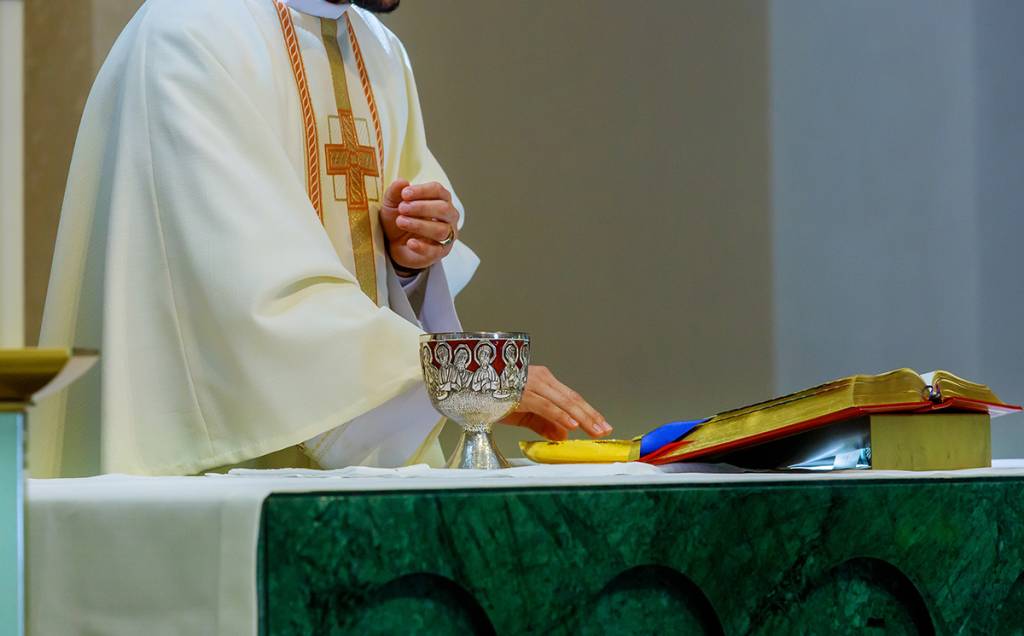
Roman Catholicism begins from a much healthier instinct than Protestantism. It desires to worship God according to His will rather than human preference. It retains a sacramental worldview and affirms that grace is objectively mediated through the Church rather than generated by individual belief or experience. These are real strengths, and they explain why Roman Catholicism has historically preserved far more of the Christian tradition than Protestantism. The difficulty within Catholicism is not simply administrative structure, though that is part of the problem. The deeper issue is the gradual reshaping of theology and worship in order to manage human will and remain compatible with modern expectations.
Authority in Roman Catholicism becomes increasingly centralized in the papacy, but that centralization does more than reorganize governance. It creates a mechanism by which doctrine, moral teaching, and worship can be rearticulated in response to cultural pressure. Over time, theology itself begins to shift, not merely in expression, but in emphasis and meaning. This becomes especially visible in the period following Vatican II. In an effort to speak to the modern world, Catholicism increasingly adopts modern categories of thought. The language of transcendence gives way to the language of relevance. The emphasis on repentance, ascetic struggle, and transformation is softened in favor of affirmation, inclusion, and engagement. Moral theology begins to accommodate modern sensibilities rather than confront them.
As Western culture moves steadily leftward in its assumptions about authority, sexuality, anthropology, and freedom, Roman Catholic theology increasingly finds itself reacting rather than proclaiming. They have embraced doctrinal ambiguity where clarity once existed. Meaning, moral teaching becomes framed in terms of conscience and feelings detached from ascetic formation. The Church begins to speak less about healing the human will and more about validating it, such is the case with LGBT masses and trying to normalize same sex marriage in Catholic Churches, as well as the removal of the traditional Latin Rite mass in most parishes throughout the world.
As such, this theological shift inevitably reshapes worship and when doctrine becomes adjustable, worship becomes something less. Liturgical changes are justified for pastoral sensitivity, accessibility, or cultural engagement. Mystery is reduced to nothing more than what…ironically makes it closer to Protestantism. While Catholic theology still affirms sacramentality in principle, its lived worship experience often emphasizes participation, clarity, and efficiency over silence, awe, repentance, and transformation. The therapeutic rhythm of the Church is interrupted and becomes nothing more than a good lecture and a concert.
So as this happens, theosis moves to the margins. Salvation remains sacramental, but it is increasingly framed in legal, moral, and institutional categories rather than as lived participation in divine life. Communion with God becomes mediated through obligation and structure rather than experienced as healing union. Catholicism still desires the Kingdom of God. But by reshaping theology to counteract human resistance and align with modern ideological currents, it increasingly approaches the Kingdom administratively and conceptually rather than entering it liturgically and ascetically.
A Clear Theological Comparison
Orthodoxy Remains the Place of Communion: An Invitation to Come and See

Orthodoxy has remained where it is not because it fears change, but because it guards something priceless. The Church has not preserved her worship, theology, and spiritual life out of nostalgia or stubbornness, but out of obedience. What has been handed down was not given to be reinvented, improved, or adapted to each generation. It was given to heal. Orthodoxy has resisted many powerful temptations. It has resisted the temptation to reshape worship around personal preference and human agendas. It has also resisted the temptation to control worship through centralized authority that can redefine it at will. Instead, the Church has remained faithful to worship that is received, lived, and trusted.
Because of this, Orthodox worship still does what it was always meant to do. It places us in the Kingdom of God. It does not explain heaven. It opens it. It does not ask us to generate the right feelings. It teaches us to stand in awe. It does not ask God to meet us on our terms. It teaches us how to meet Him on His. In Orthodox worship, heaven and earth are not separated. The saints are not distant memories. The angels are not poetic imagery. Christ is not recalled as a past figure. He is present, offering Himself to His people and drawing them into His life. This is not symbolism. It is communion.
This is why Orthodoxy has not needed to reinvent Christianity for every age. The human heart has not changed. Its wounds remain the same. Its healing remains the same. The medicine given by Christ continues to heal because it continues to be offered faithfully. Orthodoxy does not promise quick answers or easy certainty. It offers something deeper and far more demanding. It offers a place where God patiently heals His people, restores their humanity, and unites them to Himself over time.
If you have grown weary of worship that feels engineered, managed, or shaped by agendas, Orthodoxy may feel like rest. If you are longing not merely to be forgiven, but to be transformed, Orthodoxy offers a way of life where that transformation is possible. If you sense that the Christian life must be more than belief alone, that it must involve communion, healing, and participation in God’s life, Orthodoxy speaks directly to that longing. This is not an invitation to agree with everything immediately. It is not an invitation to decide quickly. Orthodoxy does not rush souls. It receives them. It invites you to stand, to pray, and to encounter the living God.
Come and see.
Come and pray.
Come and experience worship that places you in the Kingdom of God.
First time? https://savannahorthodox.com/plan-a-visit/
To explore these questions through teaching and becoming Orthodox, learn more here:
https://savannahorthodox.com/adult-study/
The Church remains because Christ remains. And where Christ is, there is life, healing, and communion. Worship God the way He wants to be worshipped, not the way you want to worship Him. Become Orthodox.